
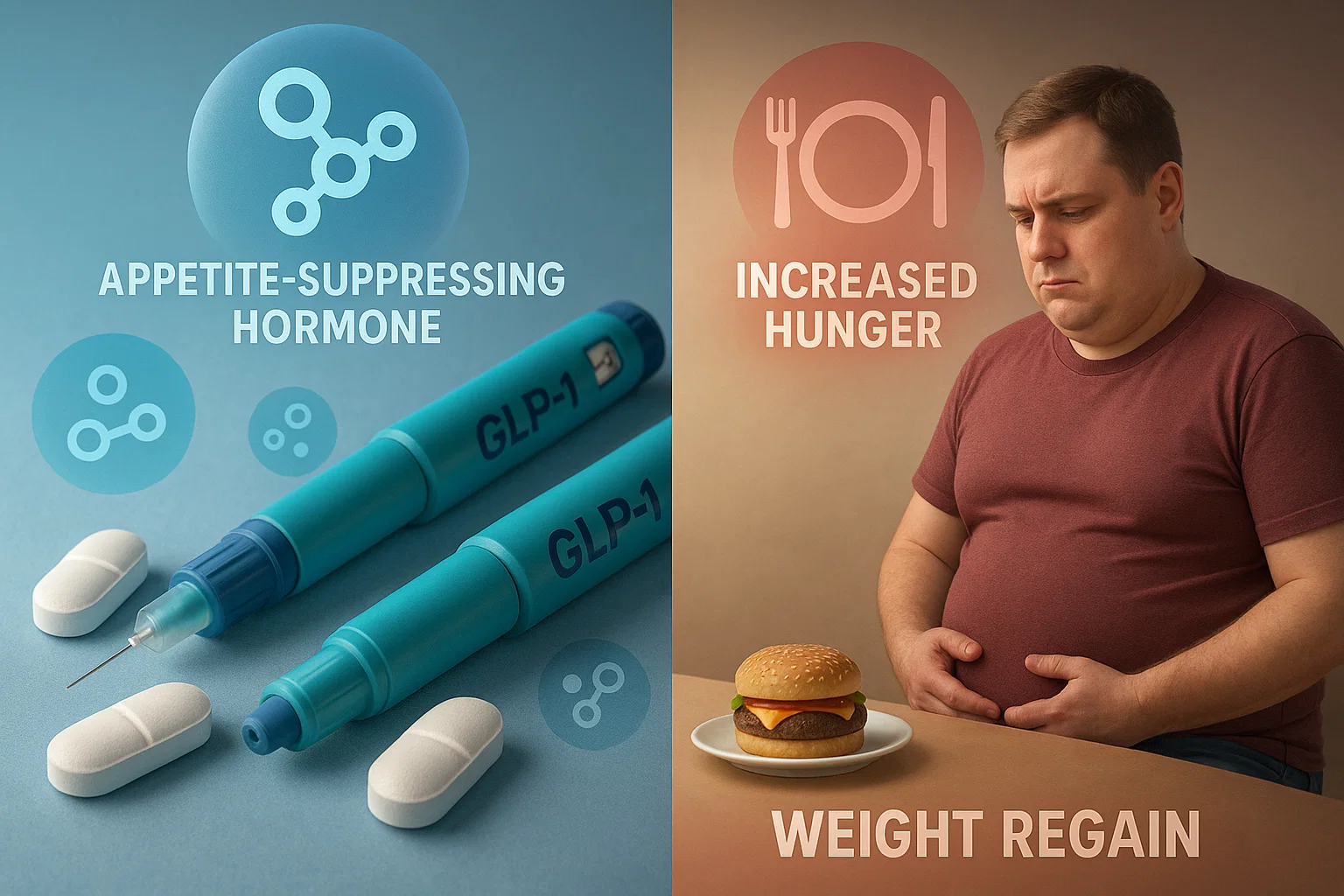

Weight loss drugs such as Ozempic or Wegovy are such an apparent breakthrough, until the drugs stop working. This question is explored in a new meta-analysis in BMC Medicine, which presents a bleak view: weight tends to be regained after halting anti-obesity medications. Since the estimated population of obese individuals in the world is in the billions, this type of rebound effect is essential knowledge for anyone contemplating or taking such treatments.
Conducted by the researchers of Peking University People’s Hospital, the study compared eleven randomized controlled trials, where more than 2,400 participants took part. They followed changes in body weight during treatment and at every 52 weeks after ceasing medication. The findings? The weight loss continues beyond the stoppage period, but regain follows shortly after, which calls for the use of long-term strategies.
Important Observations: The Time Course of the Rebound of Weight
The meta-analysis combined the data of trials of drugs such as GLP-1 receptor agonists (e.g., liraglutide, semaglutide), dual agonists, orlistat, phentermine-topiramate, and naltrexone-bupropion. So here is how it breaks down:
Short-Term Prolonged Loss: The short-term loss (4 weeks post-recall) included users who, despite the present effects of the drug, still demonstrated a small degree of weight loss relative to the controls (approximately 0.32 kg).
The Rebound Sets in: By week 8, there was a large regain of 1.5 kg compared to control. These rose to 1.76 kg at 12 weeks, 2.5 kg at 20 weeks, and covered 2.3-2.47 kg in the period between week 26 and week 52.
BMI Tracking: Body mass index also reflected the same way because it declined and then it rose again by 0.7-0.82 kg/m 2 at the end of 26 weeks.
The weight regain trend levelled off after 20 weeks, implying that the largest part of regain occurs within the first 6 months. Even in the 52-week period, weights were still lower than their baseline, but the increase is a cause of concern with regard to the long-term benefits.
What Makes Rebound Occur?
Compounds such as anti-obesity medications decrease appetite, digestion, or stop fats from being absorbed. Halting them deprives them of these aids, and biology reacts: the hunger level increases, the metabolic rate levels out, and the original pattern reestablishes itself. The research points out that GLP-1 agonists experienced a strong regain, and it might be because they are characterized by strong appetite-inhibitory properties, which vanished significantly.
Subgroup analyses showed details:
Importance of Drug Type: Most regain was driven by drugs in the GLP-1 category (such as semaglutide); others had less.
Role of Lifestyle: Maintenance interventions (diet, exercise) continued after stopping resulted in further regain, which makes no sense, but maybe because they had lost more in the first place.
Weight Loss Level: Larger reductions in treatment were associated with swings.
Patient Factors: No strong correlation to age, sex, BMI, or DM status, but high BMI groups were associated with less regain.
No powerful associations between participant characteristics and regain were evident by means of meta-regression, yet the scantiness of data necessitates further studies.
Bigger Picture: Health and Societal Effects
Obesity is connected to heart disease, diabetes, and cancer, and it is therefore essential to find effective treatment. However, weight loss can be used to counteract blood pressure, lipid, and glucose control gains. These risks were replicated by regained weight, which was observed in a previous semaglutide trial.
All over the world, as obesity reaches unprecedented levels, drugs are the solution, though not a magic bullet. Prescriptions emphasize drug therapy in conjunction with lifestyle changes, but most of them fail to stick to this regimen because of side effects, affordability, or unavailability. This study highlights the need for continued support to avoid rebound.
Practical Tips on Preventing the Rebound
Don’t ditch your meds without a plan. Minimizing regain can be done this way:
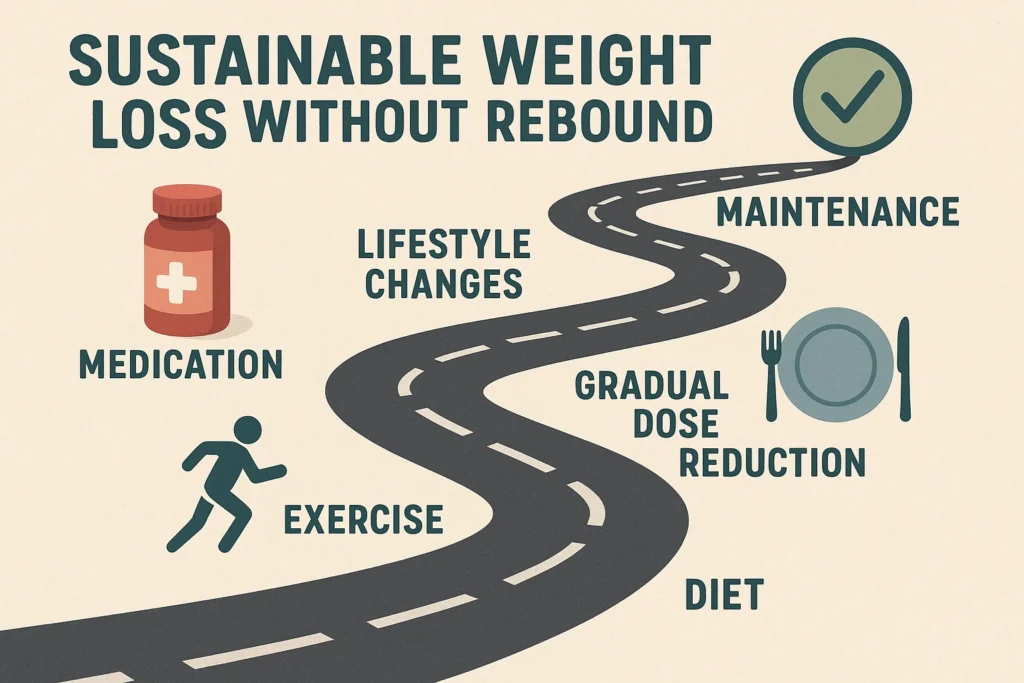
Reduce gradually: In combination, reduce drugs and increase habits with the help of your doctor.
Maintain Lifestyle Change: Diet and exercise: they are important, and studies demonstrate that they keep losses stable.
Monitor and Readjust: Weigh yourself every week; in case of regain, reconsider the quantity of calories consumed or the frequency of exercising.
Think About Options: Alternatives to changing medication or surgical procedures may be, in some cases, to maintain the effects.
Find Support: Form groups or get advice from nutritionists.
New and promising dual-agonists should appear (in tirzepatide), although long-term evidence is limited.
Constraints and Prospects
Most of the analyzes were short-term follow-up (up to 52 weeks), therefore, longer studies are necessary. There was high heterogeneity, which might have been a result of different types of drugs and people. Generalization is limited by a majority of trials targeting severe obesity (BMI 35+).
Similarly, future studies must seek out predictors of regain, such as genetics or the gut microbiome, and study combination therapies to establish lasting results as well.
Hope on the Horizon
This meta-analysis is not a show-stopper; it is a plan. The anti-obesity medications are magic, and staying healthy needs dedication. Knowing the risks of rebound, patients and doctors can make more effective plans for a lifetime of health.
Whether you happen to be on these drugs or not, discuss the exit strategy with your healthcare provider. It is a rather long process, not a short race.
References & Resources:
Wu H, Yang W, Guo T, Cai X, Ji L. Trajectory of body weight after drug discontinuation in the treatment of anti-obesity medications. BMC Medicine. 2025;23:398. doi:10.1186/s12916-025-04200-0
American Diabetes Association. Standards of Care in Diabetes — Obesity Management. Diabetes Care. 2022;45(Suppl 1):S113–S124.