
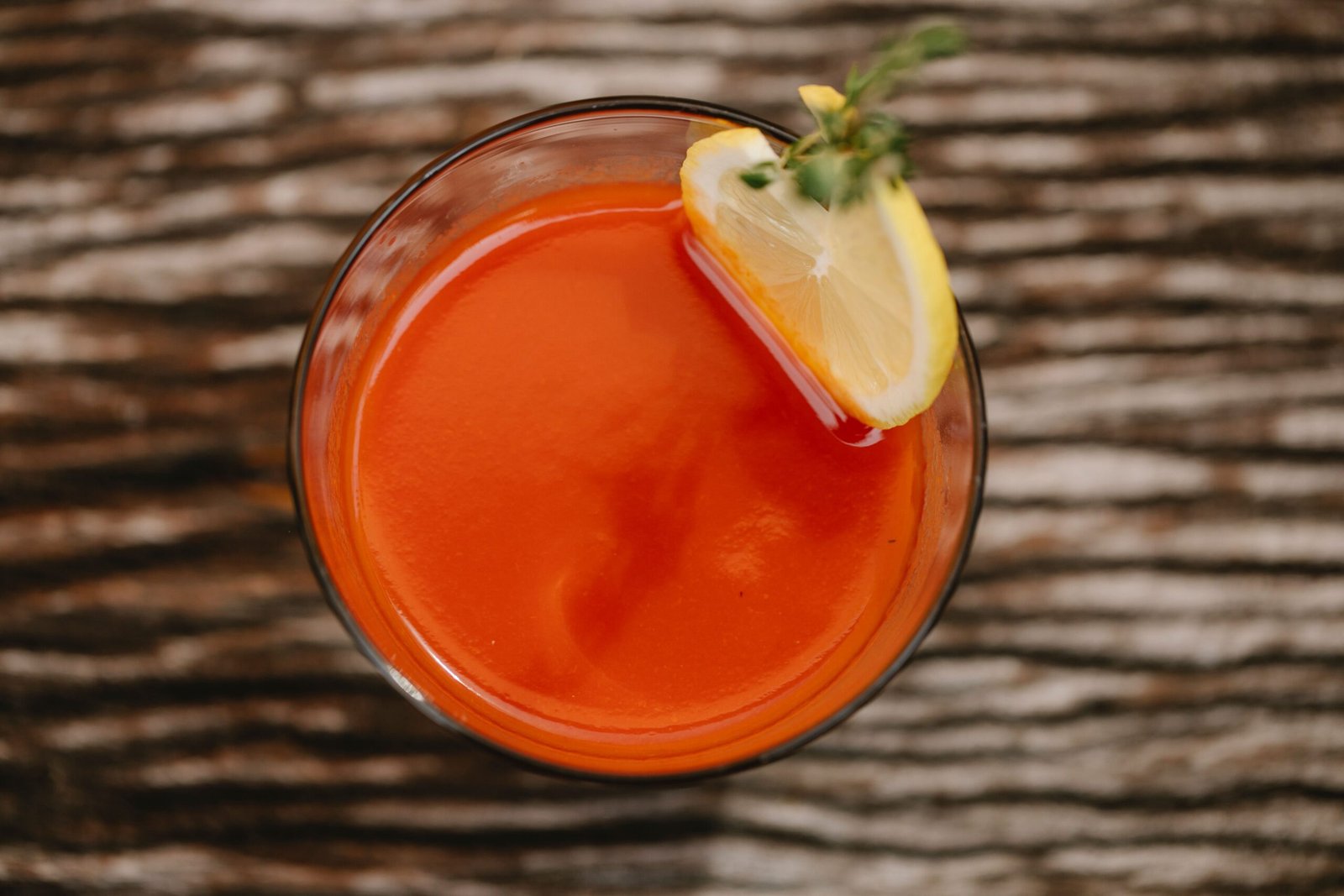

What if a daily glass of juice, combining the power of tomatoes and soy, could quietly dial down the inflammation that drives some of the world’s most common chronic diseases?
That is exactly what researchers at The Ohio State University set out to test. Their 2026 study, published in Molecular Nutrition & Food Research, is the first to examine the combined anti-inflammatory effects of a tomato-soy functional juice in adults living with obesity. The results are promising and open a fascinating window into how whole foods work in the human body.
Why Inflammation and Obesity Are Deeply Linked
Inflammation is not inherently bad. It is the body’s frontline defense against infection and injury. The problem arises when it never fully switches off.
In obesity, fat tissue, particularly around the abdomen, behaves like an active inflammatory organ. It continuously releases chemical messengers called cytokines, which are proteins that coordinate immune responses. When cytokine levels remain chronically elevated, even at subclinical levels (below the threshold of obvious symptoms), the result is a state of persistent, low-grade inflammation that quietly damages blood vessels, disrupts metabolism, and raises the risk of heart disease, cancer, and type 2 diabetes.
In 2018, at least half of American adults were diagnosed with one or more chronic illnesses linked to inflammation. Obesity alone affects roughly 42% of US adults over 20. These two statistics together reveal an enormous and growing public health burden — one that existing pharmaceutical approaches are not fully solving.
Diet is one of the most powerful and modifiable factors in this picture. And two foods in particular have attracted sustained scientific attention for their potential to fight inflammation: tomatoes and soy.

The Science Behind Tomatoes and Soy
Tomatoes are one of the richest dietary sources of lycopene, the red pigment that gives them their distinctive color. In plants, lycopene serves as a shield against environmental damage. In humans, it appears to act on inflammatory pathways, specifically the NF-κB signaling cascade, a central control switch that regulates the production of dozens of pro-inflammatory molecules in fat tissue and the liver.
Soy, meanwhile, contains a class of plant compounds called isoflavones, particularly genistein, daidzein, and glycitein. These have long been associated with lower rates of prostate cancer, breast cancer, and cardiovascular disease in populations that consume them regularly. Japanese adults, for instance, consume around 30–50 mg of isoflavones daily, compared to fewer than 3 mg per day in Western populations a difference researchers have linked to notable disparities in chronic disease rates.
Earlier research in prostate cancer models had already hinted that tomatoes and soy together offered more protection than either food alone. Ohio State researchers built on that work to create a novel functional food: tomato-soy juice, a heat-processed beverage enriched with both high-lycopene tomatoes and a standardized soy isoflavone extract.
This new trial is the first to test it specifically in the context of obesity and inflammation.
How the Trial Was Designed
Twelve healthy adults with obesity (BMI between 30 and 45 kg/m²) completed a randomized, crossover clinical trial at the Beltsville Human Nutrition Research Center, part of the USDA Agricultural Research Service.
Each participant consumed 360 mL (two small cans) of juice every day for four weeks. Half started with the tomato-soy juice; the other half received a control juice made from specially bred, low-carotenoid yellow tomatoes engineered to resemble tomato juice but containing almost no lycopene and no isoflavones. After a four-week washout period during which participants returned to a low-lycopene, low-isoflavone diet, they crossed over and drank the other juice.
The tomato-soy juice delivered a substantial daily dose: 54 mg of lycopene, more than three times what most Americans get from their diet, and 189.9 mg of total soy isoflavones, several times higher than typical Japanese dietary levels.
Blood samples were used to track carotenoid levels and inflammatory cytokines. Urine samples were analyzed using an advanced technique called untargeted metabolomics, which identifies thousands of chemical compounds simultaneously without specifying in advance what to look for. Together, these measurements allowed researchers to watch what happened inside the body in real time.
What They Found: Inflammation Came Down
After four weeks of tomato-soy juice consumption, participants showed significant reductions in three pro-inflammatory cytokines:
- IL-5, a cytokine elevated in obesity and linked to airway inflammation
- IL-12p70, a protein that triggers further inflammatory cascades, including the release of TNF-α and GM-CSF
- GM-CSF is associated with inflammatory lung conditions and found to be elevated in people with obesity
A fourth cytokine, TNF-α, arguably the most recognized villain in obesity-related inflammation, was overexpressed in fat tissue and strongly linked to insulin resistance; it also trended downward, narrowly missing statistical significance (p = 0.052). This near-miss is notable given the study’s small sample size, which was reduced from the planned 30 participants due to the COVID-19 pandemic.
None of these changes were observed in the control juice group. This pattern clearly points the finger at the lycopene and/or soy isoflavone content of the tomato-soy juice as the driving force behind the anti-inflammatory effect.
All four cytokines are regulated, at least in part, by the NF-κB pathway the same inflammatory signalling route that lycopene and soy isoflavones have been shown to inhibit in laboratory and animal studies. This biological coherence strengthens the plausibility of the findings.
What Happened in the Urine: A Metabolic Fingerprint
Beyond the blood results, the urine metabolomics data told a rich story about how the body processes tomato-soy juice.
After drinking the tomato-soy juice, participants’ urine profiles shifted dramatically compared with the control group. The largest changes were driven by soy isoflavone metabolites breakdown products of genistein, daidzein, and glycitein that appear in urine after the compounds are absorbed, processed by the liver, and partially transformed by gut bacteria.
One standout finding: ethylphenol sulfate isomers increased approximately 96- to 173-fold in urine following tomato-soy consumption. These compounds, derived from genistein via gut microbial metabolism, have previously been detected in animal tissues but had never before been reported as intact conjugates in human urine following soy intake. The researchers note this as a first in the scientific literature.
Another key metabolite class was O-DMA glucuronides produced from daidzein by specific gut bacteria. The researchers used a clever technique called biosynthesized standards, creating these metabolites in a laboratory setting and then matching them against the urine samples to confirm their identity with high confidence.
Interestingly, the variability in isoflavone metabolite levels among individuals was striking. Only two of the twelve participants (~17%) produced a compound called equol a well-known daidzein metabolite associated with gut microbial diversity. This aligns with previous research showing that only about 25–30% of Western adults have the gut bacteria needed to produce equol, a finding that may partly explain why different people respond differently to soy-rich diets.
Separate from the soy-driven effects, both tomato juices the soy-enriched version and the control raised levels of naringenin glucuronides in the urine. Naringenin is a flavonoid found naturally in tomatoes, and its presence in the urine of both groups confirms that tomatoes contain bioactive compounds that can affect inflammation independently of lycopene. A class of fatty acid metabolites called medium-chain acylcarnitines, which are elevated in obesity and type 2 diabetes and linked to inflammatory signaling, was significantly reduced by both tomato interventions a hint that the tomato juice matrix itself carries anti-inflammatory properties beyond its headline compounds.
What This Means and What It Doesn’t
This study is small. Twelve participants is not enough to draw sweeping conclusions, and the researchers are clear about this. The COVID-19 pandemic cut enrolment short before the planned sample of 30 could be reached, limiting statistical power. A post hoc calculation estimated that detecting a significant reduction in IL-6 alone would have required 108 participants.
That said, the consistency in the direction of effect reductions across multiple pro-inflammatory markers, a well-characterized urinary metabolomic fingerprint, and biologically plausible mechanisms makes this an encouraging proof of concept.
The study also cannot fully untangle which ingredient is doing what. Lycopene, soy isoflavones, naringenin, and other tomato phytochemicals may all be contributing, possibly in ways that interact with each other. That complexity is precisely the point of studying whole-food combinations rather than isolated nutrients.
What is clear is that a daily glass of tomato-soy juice, consumed for just four weeks, demonstrably shifted the body’s inflammatory chemistry in people with obesity, a population for whom chronic inflammation is a major driver of disease risk.
The Bigger Picture: Functional Foods for Chronic Disease
This research adds to the growing evidence that thoughtfully designed whole-food combinations can influence biological pathways relevant not only to cancer, the original motivation for tomato-soy juice research, but also to obesity, cardiovascular disease, and other conditions in which chronic inflammation plays a central role.
The jury is still out on dose, duration, and which populations benefit most. But the science is pointing in a clear direction: what you eat doesn’t just fuel your body; it actively reshapes the molecular environment inside it, one meal at a time.
A Note of Caution
This was a small pilot study. The results are not a prescription to start drinking tomato juice in therapeutic quantities. They are, however, a compelling reason to eat more whole plant foods tomatoes, soy, and the full spectrum of phytochemical-rich foods that modern diets so often crowd out.
References
Sholola MJ, Miller J, Bilbrey EA, Novotny JA, Francis DM, Mace TA, Cooperstone JL. Tomato-Soy Juice Reduces Inflammation and Modulates the Urinary Metabolome in Adults With Obesity. Molecular Nutrition & Food Research. 2026; 70:e70420. https://doi.org/10.1002/mnfr.70420