


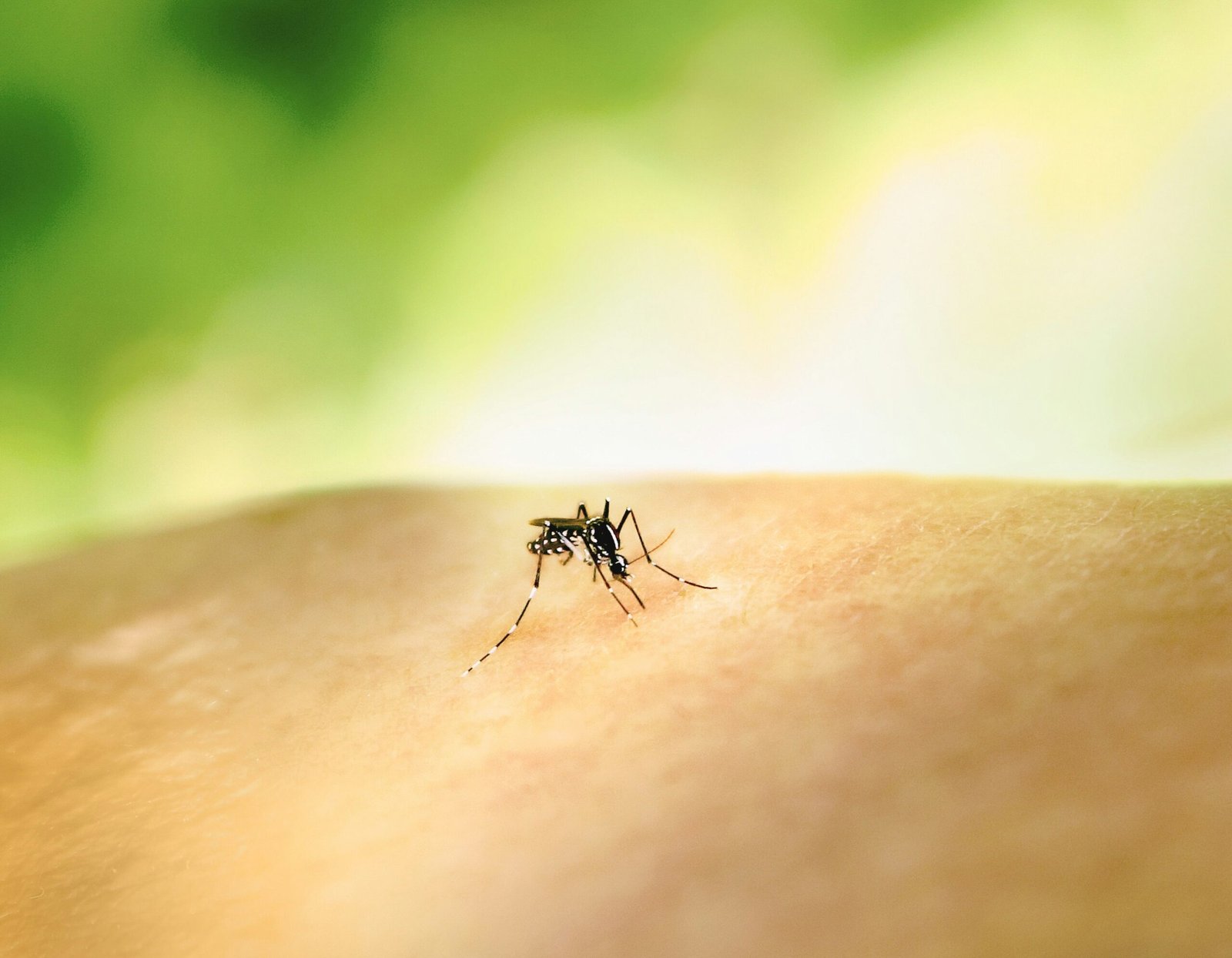
A mosquito bite might not seem dangerous, but in some areas it can spread an infection that causes high fever and joint pain that can last for months.
This is the main concern with chikungunya, a mosquito-borne virus that has caused large outbreaks in Africa, Asia, the Americas, and parts of Europe.
On July 22, 2025, the World Health Organisation (WHO) warned that chikungunya was spreading in ways similar to the major epidemic that started in the Indian Ocean region in 2004.
The organisation called on countries to improve disease tracking, mosquito control, and public health planning before outbreaks get worse.
This warning is worrying because chikungunya can spread quickly in places where the mosquitoes are common, and people have little or no immunity.
Since then, reports have shown a lot of chikungunya activity in several regions during 2025 and 2026.
Chikungunya rarely causes death, but it can make some people very sick and lead to long-term problems.
Understanding how the virus spreads, spotting its symptoms, and taking steps to avoid mosquito bites are key to lowering your risk of infection.
Why Did WHO Warn About a Global Chikungunya Outbreak?
The WHO warning followed renewed chikungunya activity in the Indian Ocean region during 2025.
Outbreaks hit places like Réunion, Mayotte, and Mauritius, raising worries that the virus could spread through international travel to other regions where the right mosquitoes live.
During a United Nations briefing on July 22, 2025, WHO officials emphasised that chikungunya had previously been transmitted in 119 countries and territories.
They warned that big outbreaks could happen if an infected person brings the virus to a place with the right mosquitoes and people who aren’t immune.
This situation was similar to how the 2004–2005 chikungunya epidemic started in the Indian Ocean region and then spread to other countries.
Why the 2004–2005 Epidemic Matters
The earlier epidemic showed how quickly chikungunya can spread among people with little immunity.
Big outbreaks hit island communities like Réunion, where chikungunya made many people sick and caused major problems.
Researchers later found that changes in the virus made it easier for some mosquitoes to transmit it, which increased interest in how chikungunya adapts to new places.
This history shows that chikungunya is more serious than just a minor mosquito-borne illness.
Because it can cause widespread joint pain and long-lasting symptoms, chikungunya puts a lot of strain on healthcare systems.
Original WHO briefing:
https://www.unognewsroom.org/teleprompter/en/2733/un-geneva-press-briefing-22-july-2025/8217
What Is Chikungunya Virus?
Chikungunya is an infectious disease caused by the chikungunya virus (CHIKV).
The virus belongs to the genus Alphavirus within the family Togaviridae.
It spreads primarily through bites from infected Aedes mosquitoes.
The two most important mosquito species involved in transmission are:
- Aedes aegypti
- Aedes albopictus
These mosquitoes can also transmit other diseases, including dengue and Zika.
Chikungunya is known for causing sudden fever and severe joint pain.
The name comes from a word meaning a bent or twisted posture, showing how painful joints can make it hard for people to move.
How Does Chikungunya Spread?
Mosquitoes and infected people drive how chikungunya spreads.
- An Aedes mosquito bites a person infected with chikungunya while the virus is circulating in the blood.
- The mosquito becomes infected.
- After the virus develops within the mosquito, it may transmit infection through a subsequent bite.
- Another person becomes infected and may develop symptoms several days later.
Chikungunya usually doesn’t spread through casual contact like shaking hands or sharing a room.
Rare transmission around childbirth and through certain blood exposures has been documented.
People who have chikungunya should be extra careful to avoid mosquito bites in their first week of illness, since they could infect more mosquitoes.
What Are the Symptoms of Chikungunya?
Symptoms usually begin approximately three to seven days after a bite from an infected mosquito, although the incubation period can vary.
The most noticeable symptoms are sudden fever and joint pain.
Common Symptoms
1. High fever
Fever usually starts suddenly and can come with chills, tiredness, and feeling unwell.
2. Severe joint pain
Joint pain is a key sign of chikungunya.
It frequently affects multiple joints, including the wrists, fingers, ankles, and knees.
The pain can be so strong that it makes walking, working, and daily activities hard.
3. Joint swelling
Some patients develop inflammation or swelling around affected joints.
4. Muscle pain
Muscle aches and overall body pain can also happen along with joint problems.
5. Headache
Headaches can occur early in the illness.
6. Skin rash
Some people get a rash while they are sick.
7. Fatigue
Severe tiredness can last even after the fever goes away.
Most people get over the main illness in about a week, but joint pain can last much longer.
Official medical guidance:
https://www.cdc.gov/chikungunya/signs-symptoms/index.html
Why Can Chikungunya Joint Pain Last for Months?
One of the hardest things about chikungunya is that joint pain can last a long time.
Even after the main infection is gone, some people still have pain, swelling, or stiffness that keeps coming back.
Researchers are exploring several reasons, such as an immune system that stays active and ongoing inflammation in the affected areas.
These factors might explain why some people still have symptoms long after the first fever is gone.
But having long-lasting joint pain doesn’t always mean the virus is still in the blood.
Who Is at Greater Risk of Severe Illness?
Some groups are more likely to have complications:
- Newborns infected around the time of birth.
- Adults aged 65 years and older.
- People with chronic medical conditions, including cardiovascular disease, diabetes, or hypertension.
- Individuals who experience unusual or severe complications affecting the nervous system or other organs.
Death is rare, but serious problems can still happen.
Newborns infected at birth and older adults with health problems may need extra medical care.
Ongoing symptoms can also be a big challenge for both patients and healthcare systems.
Chikungunya Outbreaks: What Changed During 2025 and 2026?
After the WHO’s July 2025 warning, more reports came out showing how far the virus had spread.
WHO’s October 2025 Global Update
On October 3, 2025, WHO reported that between January 1 and September 30, 2025:
- 445,271 suspected and confirmed chikungunya cases had been reported.
- 155 associated deaths had been reported.
- Reports came from 40 countries.
These numbers are based on the available reports, including cases caught locally and those linked to travel.
WHO pointed out that the virus spreads differently in each region.
Some regions saw more cases, while others had fewer than the year before.
So, it’s not accurate to say there was a worldwide increase everywhere.
WHO situation report:
https://www.who.int/emergencies/disease-outbreak-news/item/2025-DON581
The Situation in 2026
Chikungunya was still a global public health concern in 2026.
According to the ECDC’s September 2026 global update, based on reporting through August, approximately 250,051 cases and 87 associated deaths were reported during the year.
The Americas accounted for most reported cases, with substantial transmission in South America, particularly Brazil.
Other affected regions included parts of Asia, Africa, and Europe.
The available surveillance summary also described cases in Pakistan, India, Mauritius, France, and Italy.
These numbers count only reported cases, not every infection.
Differences in testing and reporting can make it hard to compare countries and years.
Latest surveillance resource:
https://www.ecdc.europa.eu/en/chikungunya-monthly
Which Countries Are at Risk of Chikungunya?
Chikungunya has led to outbreaks in tropical and subtropical areas.
Countries and territories with current or previous transmission include locations in:
Asia: India, Pakistan, Bangladesh, Indonesia, Thailand, and other parts of South and Southeast Asia.
Africa: Kenya, Mauritius, Madagascar, and other countries with competent mosquito vectors.
The Americas: Brazil and several other countries in Central and South America and the Caribbean.
Europe: Local transmission has occurred in parts of southern Europe, including France and Italy, where suitable mosquito populations are established.
Indian Ocean territories: Réunion and Mayotte have experienced important outbreaks.
But just because a place had chikungunya before doesn’t mean there’s an outbreak there now.
Travellers should check the latest public health advice before they go.
For location-specific information, visit:
https://www.cdc.gov/chikungunya/data-maps/index.html
How Climate Change May Influence Chikungunya Spread
Climate change could change where mosquitoes live and how active they are during the year.
Temperature, rainfall, humidity, and other environmental conditions affect mosquito survival and breeding.
In some regions, warmer weather can make it easier for mosquitoes to spread disease, but very high temperatures and other environmental changes can also lower mosquito survival.
Important Factors That Influence Transmission
Temperature
Environmental temperatures play a role in how active mosquitoes are and how viruses develop inside them.
Rainfall
Rainfall can lead to new mosquito breeding sites, especially when water collects in containers or areas that do not drain well.
Urbanization
Crowded places with poor water management can become good habitats for Aedes mosquitoes.
International travel
Travellers who are infected can bring the virus to places where the right kind of mosquitoes are already present.
Population immunity
Communities that have not faced the virus before may be at higher risk for big outbreaks.
These factors can affect each other in complex ways.
Climate change is not the only reason for outbreaks. Local mosquito control, public health systems, and people’s actions also play a part in how the disease spreads.
Chikungunya vs Dengue: What Is the Difference?
Both chikungunya and dengue are spread by similar types of mosquitoes and can cause similar symptoms.
Because of this, doctors may struggle to tell the difference without lab tests.
| Feature | Chikungunya | Dengue |
| Main cause | Chikungunya virus | Dengue virus |
| Transmission | Infected Aedes mosquitoes | Infected Aedes mosquitoes |
| Fever | Common, often sudden | Common |
| Joint pain | Often severe and prolonged | May occur |
| Muscle pain | Common | Common |
| Rash | May occur | May occur |
| Bleeding complications | Uncommon | Can occur, especially in severe dengue |
| Persistent joint pain | May last months or longer | Less characteristic |
Symptoms by themselves are not enough to reliably tell these diseases apart.
In places where dengue is common, doctors should also consider dengue when seeing patients who might have chikungunya.
This is particularly important when choosing pain relief medicines.
How Is Chikungunya Diagnosed?
Doctors may consider chikungunya if someone develops a sudden fever and joint pain after being bitten by mosquitoes in an area where the disease is present.
However, lab tests are often needed to confirm the infection.
RT-PCR Testing
In the early stage of illness, molecular tests like reverse transcription polymerase chain reaction (RT-PCR) can find the virus’s genetic material in blood samples.
Antibody Testing
After the first phase, blood tests can sometimes detect antibodies the body makes to fight the infection.
The right test depends on when symptoms started and what tests are available locally.
Because chikungunya can look like dengue and other illnesses, doctors may need to check for several possible causes.
If you have a high fever, joint pain, or other worrying symptoms, see a doctor instead of trying to diagnose yourself.
Is There a Treatment for Chikungunya?
No specific antiviral medicine is currently approved to treat chikungunya.
Treatment usually aims to ease symptoms and help the patient recover.
Recommended Supportive Care
Rest
Getting enough rest can help manage fever and tiredness during the early stage of illness.
Fluids
Stay hydrated, especially if you have a fever.
Pain and fever relief
Paracetamol (also called acetaminophen) can be used if a doctor recommends it.
Follow-up care
If joint pain lasts a long time, patients may need more check-ups, rehabilitation, or other treatments from a doctor.
Important Warning About Painkillers
If chikungunya is suspected, avoid taking aspirin and anti-inflammatory medicines like ibuprofen until a doctor has ruled out dengue.
These medicines can raise the risk of bleeding if the person actually has dengue.
After dengue has been ruled out, a doctor may suggest other ways to manage pain based on the patient’s needs.
If someone has severe symptoms like dehydration, bleeding, trouble breathing, confusion, or extreme weakness, they should get medical help right away.
CDC treatment guidance:
https://www.cdc.gov/chikungunya/hcp/treatment-prevention/
Is There a Chikungunya Vaccine in 2026?
Yes. Some countries have approved chikungunya vaccines, but availability and recommendations vary.
Vaccine policies have changed over time as safety information has been reviewed by regulators.
VIMKUNYA
VIMKUNYA is a vaccine made from virus-like particles and was developed by Bavarian Nordic.
The U.S. Food and Drug Administration approved this vaccine in February 2025 for people 12 years and older.
VIMKUNYA differs from live-attenuated vaccines because it contains no live, weakened chikungunya virus.
CDC guidance in 2026 recommends this vaccine for some travellers going to places with chikungunya outbreaks and for lab workers who might be exposed at work.
Some travellers planning to stay longer in higher-risk areas may also consider getting vaccinated.
IXCHIQ: Important Safety and Regulatory Update
IXCHIQ is a live-attenuated chikungunya vaccine made by Valneva and was approved in the U.S. in November 2023.
However, after people started using it, there were serious safety concerns, including cases of severe illness similar to chikungunya.
On August 22, 2025, the FDA suspended the vaccine’s license in the U.S.
In January 2026, Valneva said it would withdraw its applications for a U.S. license and for new drug investigation.
As a result, IXCHIQ is not currently an option for vaccination in the U.S.
Rules and recommendations about the vaccine may be different in other countries.
Anyone considering a chikungunya vaccine should talk to a healthcare professional and check the latest national advice.
CDC vaccine information:
https://www.cdc.gov/chikungunya/vaccines/
FDA safety announcement:
https://www.fda.gov/safety/medical-product-safety-information/fda-update-safety-ixchiq-chikungunya-vaccine-live-fda-suspends-biologics-license-fda-safety
How to Protect Yourself From Chikungunya
One of the best ways to lower your risk of chikungunya is to avoid mosquito bites.
The steps below can help protect both you and your community.
1. Use an Effective Mosquito Repellent
Pick a mosquito repellent that is registered and contains an active ingredient like DEET or picaridin.
Always follow the product instructions, especially any age-related warnings.
2. Wear Protective Clothing
Wearing long-sleeved shirts, long pants, and loose clothes can help cover your skin.
Lightweight clothes are often more comfortable in a warm places.
3. Eliminate Standing Water
Aedes mosquitoes like to breed in containers where water collects.
Regularly inspect and empty items such as:
- Buckets and flowerpot saucers.
- Unused containers.
- Discarded tyres.
- Water storage vessels without secure covers.
- Blocked drains or other water-collecting areas.
If you need to store water, make sure containers are covered and well maintained.
4. Use Window Screens and Mosquito Nets
Screens on windows and doors can help keep mosquitoes out of your home.
Using mosquito nets adds extra protection when you sleep in places where mosquitoes might get in.
5. Protect Yourself During the Day
Aedes mosquitoes are different from some others because they often bite during the day, not just at night.
They are usually most active in the early morning and late afternoon, but they can bite at other times too.
So, it’s important to protect yourself from mosquito bites during the day as well as at night.
6. Prevent Mosquito Exposure When Sick
If you think you have chikungunya or have been diagnosed, try to avoid mosquito bites during your first week of illness.
This helps stop mosquitoes from picking up the virus and spreading it to other people.
7. Follow Local Health Advisories
During outbreaks, public health officials may monitor the situation, control mosquitoes, and run education campaigns in the community.
People living in affected areas should follow trusted local advice and help with mosquito control efforts that are based on evidence.
What Should Travellers Know?
Chikungunya can spread through international travel if infected people go to places where the right mosquitoes are found.
Before you travel, check the latest health advisories for your destination.
Travellers should consider:
- Whether the destination has an active outbreak.
- Whether they are at increased risk of severe illness.
- Whether vaccination is recommended and available.
- How they will prevent mosquito bites during the trip.
- Whether medical services and laboratory testing are accessible.
Pregnant travellers, especially those close to delivery, should talk to a doctor before going to places where chikungunya is spreading.
If you get a fever and severe joint pain during or after your trip, tell your doctor where you have been and if you might have been bitten by mosquitoes.
What Should Governments Do to Prevent Outbreaks?
Stopping big chikungunya outbreaks takes more than just protecting yourself from mosquitoes.
The WHO has stressed that working together on public health actions is very important.
Stronger Disease Surveillance
Healthcare systems need good ways to spot and report possible cases.
Finding cases early helps officials check if the disease is spreading locally.
Better Laboratory Capacity
Having the right tests helps doctors tell the difference between chikungunya, dengue, Zika, and other illnesses.
Mosquito Surveillance and Control
Keeping track of mosquito numbers and cutting down on breeding sites can help stop the disease from spreading.
Public Health Education
Giving clear information about symptoms, how to avoid bites, and when to see a doctor helps communities respond better.
Regional and International Cooperation
Sharing information and working together on outbreak responses can help countries be better prepared.
These steps matter because mosquito-borne diseases do not stop at borders.
Conclusion: Prevention Remains Essential as Chikungunya Outbreaks Continue
In July 2025, the World Health Organisation warned that chikungunya can spread quickly in at-risk communities.
This warning was based on past experience and new outbreaks in the Indian Ocean region.
Ongoing monitoring in 2025 and 2026 showed that chikungunya kept impacting people in many regions around the world.
Most infections are not deadly, but severe joint pain and long-lasting symptoms can cause serious physical, social, and economic problems.
Some people can get vaccinated, but rules, access, and safety issues are different depending on where you are.
The key point is that stopping mosquito bites, spotting symptoms early, and improving public health monitoring are still the main ways to lower chikungunya spread.
Simple steps like getting rid of standing water, using the right repellents, and protecting people during outbreaks can really help.
References
1. WHO warning, July 22, 2025
United Nations Geneva. WHO briefing on the global chikungunya situation.
https://www.unognewsroom.org/teleprompter/en/2733/un-geneva-press-briefing-22-july-2025/8217
2. WHO global outbreak report, October 3, 2025
World Health Organisation. Chikungunya virus disease, Global situation.
https://www.who.int/emergencies/disease-outbreak-news/item/2025-DON581
3. WHO chikungunya fact sheet
World Health Organisation. Chikungunya.
https://www.who.int/news-room/fact-sheets/detail/chikungunya
4. ECDC global surveillance 2026
European Centre for Disease Prevention and Control. Chikungunya virus disease worldwide overview.
https://www.ecdc.europa.eu/en/chikungunya-monthly
5. CDC symptoms and complications
Centres for Disease Control and Prevention.
https://www.cdc.gov/chikungunya/signs-symptoms/index.html
6. CDC treatment and prevention
Centres for Disease Control and Prevention. Treatment and Prevention of Chikungunya Virus Disease.
https://www.cdc.gov/chikungunya/hcp/treatment-prevention
7. CDC chikungunya vaccine guidance
Centres for Disease Control and Prevention. Chikungunya Vaccine.
https://www.cdc.gov/chikungunya/vaccines
8. FDA vaccine safety announcement
U.S. Food and Drug Administration. FDA Suspends the Biologics License for IXCHIQ.
9. CDC chikungunya risk areas
Centres for Disease Control and Prevention areas at Risk for Chikungunya.