
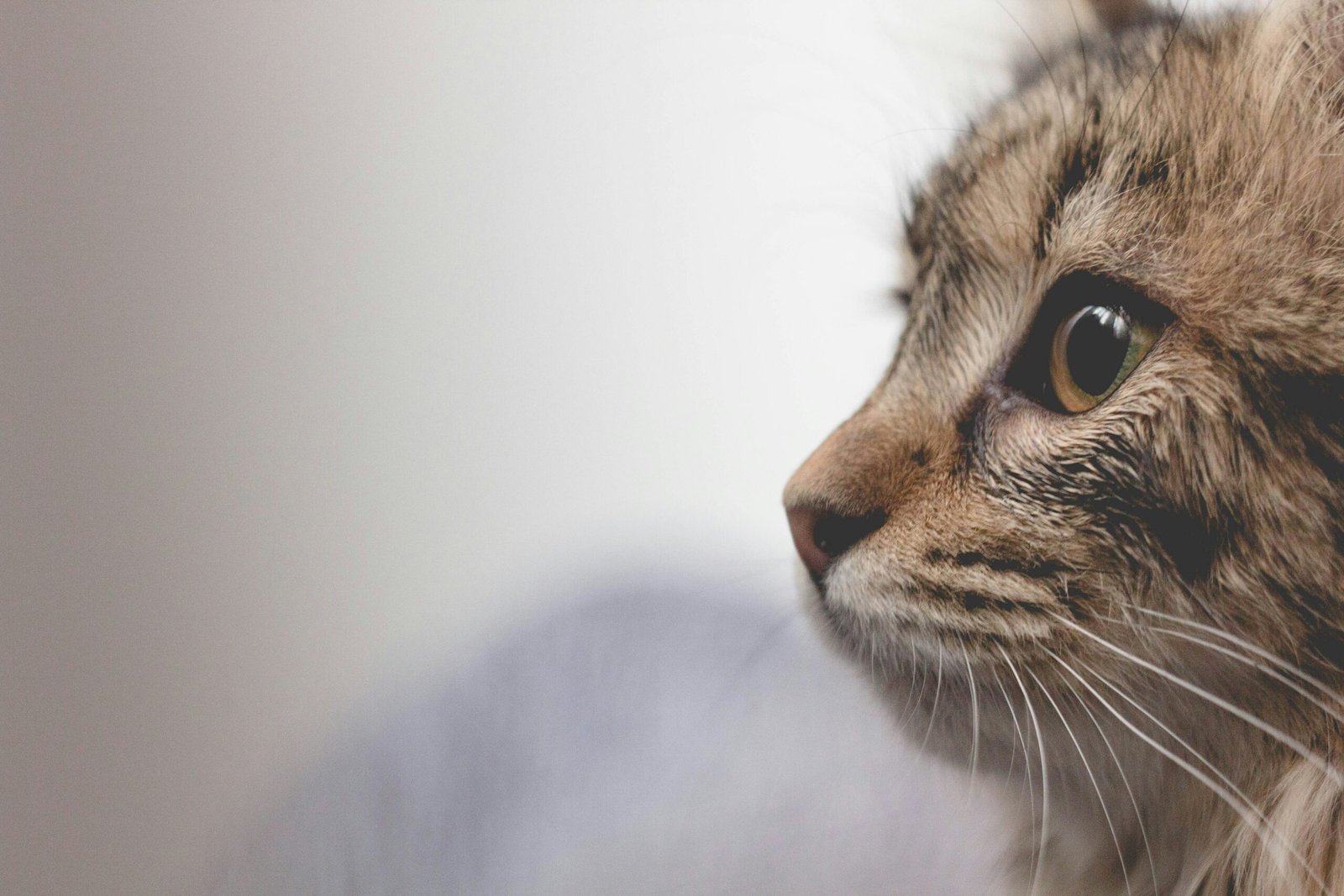

Cats don’t smoke, drink alcohol, or spend hours under tanning beds. Still, they develop many of the same cancers as humans, such as breast tumors, lymphoma, osteosarcoma, and oral cancers. A landmark 2026 study published in Science has now achieved something remarkable: it mapped the full genetic landscape of cancer across 13 different tumor types in domestic cats, revealing striking similarities with human cancer biology. These findings have implications that go well beyond veterinary medicine.
Why Study Cancer in Cats?
Cats are more than just beloved companions. From a scientific perspective, they are excellent models for studying cancer. They develop tumors on their own, live in the same environments as we do, and have lifespans long enough to develop age-related diseases similar to those in humans. Unlike lab mice, which are bred to develop cancer in controlled settings, cats get cancer naturally, just like people.
This idea is at the heart of what researchers call “One Medicine,” which is the belief that human and veterinary medicine can learn from each other. When a cat develops mammary cancer that acts almost the same as human breast cancer, studying the genetics of that feline tumor can help us understand the human disease in ways that traditional lab research cannot.
The new study, led by researchers at the Wellcome Sanger Institute, sequenced cancer-related genes across 13 tumor types from hundreds of cats collected from veterinary institutions in six countries: Canada, England, Germany, Austria, Scotland, and New Zealand. The scale and scope of this project, which the researchers call the “oncogenome” of the domestic cat, is unprecedented in veterinary science.
The Genetic Landscape: What They Found
Mammary Carcinoma (Breast Cancer)
Feline breast cancer showed the most striking similarities to its human counterpart. The most frequently mutated gene was FBXW7, found altered in 53% of tumors. This gene acts as a tumor suppressor, essentially serving as a cellular brake, and its loss is linked to more aggressive disease. Cats with FBXW7 mutations had worse outcomes, similar to patterns seen in human breast cancer patients.
PIK3CA was also frequently mutated, appearing in 47% of feline mammary tumors. In humans, this gene is one of the most commonly mutated in breast cancer, especially at a specific hotspot called p.H1047R. This same hotspot was found to be dominant in cat tumors. Such a high level of molecular similarity between species is remarkable and suggests that the biology behind these cancers is deeply conserved across mammals.
Lymphoma
Lymphoma is the most common cancer in cats. The study examined both B-cell and T-cell subtypes and identified genetic patterns that closely match those observed in human lymphomas. In B-cell lymphoma, the most frequently mutated genes were P2RY8 and B2M, which are also disrupted in human diffuse large B-cell lymphoma (DLBCL). Even subtle patterns were similar. For example, P2RY8 mutations were more common in non-intestinal (non-alimentary) tumors in cats, just as they are in human gastrointestinal versus non-gastrointestinal DLBCL.
T-cell lymphoma, which mainly affects the feline intestine, often showed gains of the MYC gene on chromosome F2. This finding is consistent with human intestinal T-cell lymphomas of a similar subtype.
Skin Cancers
Cats that spend time outdoors, especially white or lightly pigmented cats with thin fur on their ears or noses, are more likely to develop sun-induced squamous cell carcinoma (SCC). The study found a UV light signature (COSMIC Signature SBS7) in 52% of feline cutaneous SCC cases, particularly in tumors on the ear pinnae, nasal planum, and eyelids. The same mutational signature is found in human head and neck squamous cell cancers linked to sun exposure. The main driver genes in feline SCC, TP53, NOTCH1, and CDKN2A, are also implicated in human cutaneous SCC.
Cutaneous mast cell tumors (cMCT), another common skin cancer in cats, often harbor mutations in the KIT gene at the same positions (exons 8 and 9) as those seen in pediatric patients with human mastocytosis. Notably, the tyrosine kinase inhibitor imatinib has shown clinical benefit in both a child with KIT-mutated cutaneous mastocytosis and a cat with a similar KIT-mutated mast cell tumor. This is a clear example of the One Medicine principle.
Digestive Tract Tumors
Feline colorectal adenocarcinoma provided an interesting contrast to the human disease. While human colorectal cancers are mostly driven by APC and KRAS mutations, feline colorectal tumors are mainly caused by CTNNB1 (beta-catenin) mutations, the same gene that drives human pancreatic acinar cell carcinoma. The reason for this difference is that most pancreatic tumors in cats are of acinar cell origin, while most human pancreatic cancers are ductal. This subtle biological difference leads to major genetic consequences.
Brain Tumors
Feline meningioma, a typically benign brain tumor, was found to be consistently free of NF2 mutations, the most common genetic driver in human meningioma. Instead, feline meningiomas harbored CTNNB1 mutations, suggesting an alternative biological pathway. This could make cats a useful model for studying NF2-wildtype meningiomas in humans, a subgroup with a better prognosis but still poorly understood.
A Thread Running Through All Cancers
One of the most striking findings across all tumor types was the recurrent involvement of a handful of key genes and chromosomal regions. The MYC oncogene, a master regulator of cell growth, was amplified across nearly every cancer type studied. Similarly, loss of PTEN, a major tumor suppressor, and loss of FAS, a gene involved in programmed cell death, appeared repeatedly. These are also among the most commonly altered genes in human pan-cancer analyses.
The consistency across species underscores a fundamental truth: the core molecular machinery of cancer is ancient and conserved. The same genetic programs that go wrong in human tumors go wrong in cats.
What This Means for Treatment
The study didn’t just catalog genetic changes it also asked which feline cancer driver genes have human drug targets. Many do. Using established oncology databases, the researchers identified driver genes that are already targeted by approved human cancer drugs. This opens the door to testing these therapies in cats with naturally occurring tumors, a step that could simultaneously benefit feline patients and generate real-world data to inform human clinical trials.
The study also established miniature tumor models of feline mammary carcinoma, tumoroids, grown in the lab from cat tumor tissue, and showed that tumors with FBXW7 mutations responded differently to two chemotherapy drugs, vincristine and vinorelbine, compared to wild-type tumors. This kind of functional drug-response data, derived from authentic tumor biology, is exactly what precision oncology needs.
The Bottom Line
The domestic cat has quietly become one of the most valuable animals in cancer research. This is not because scientists give them cancer, but because cats naturally develop tumors that closely resemble human disease at the molecular level. The feline oncogenome project marks a new era of comparative oncology: it is large-scale, genomically rigorous, and directly relevant to human medicine.
For cat owners, this research is a reminder that veterinary oncology and human oncology are becoming more connected. For scientists, it is a call to look more closely at our feline companions, not just as patients, but as partners in the effort to understand and fight cancer. cancer.
Reference:
Francis, B.A. et al. (2026). The oncogenome of the domestic cat. Science, 391, 793. https://doi.org/10.1126/science.ady6651