
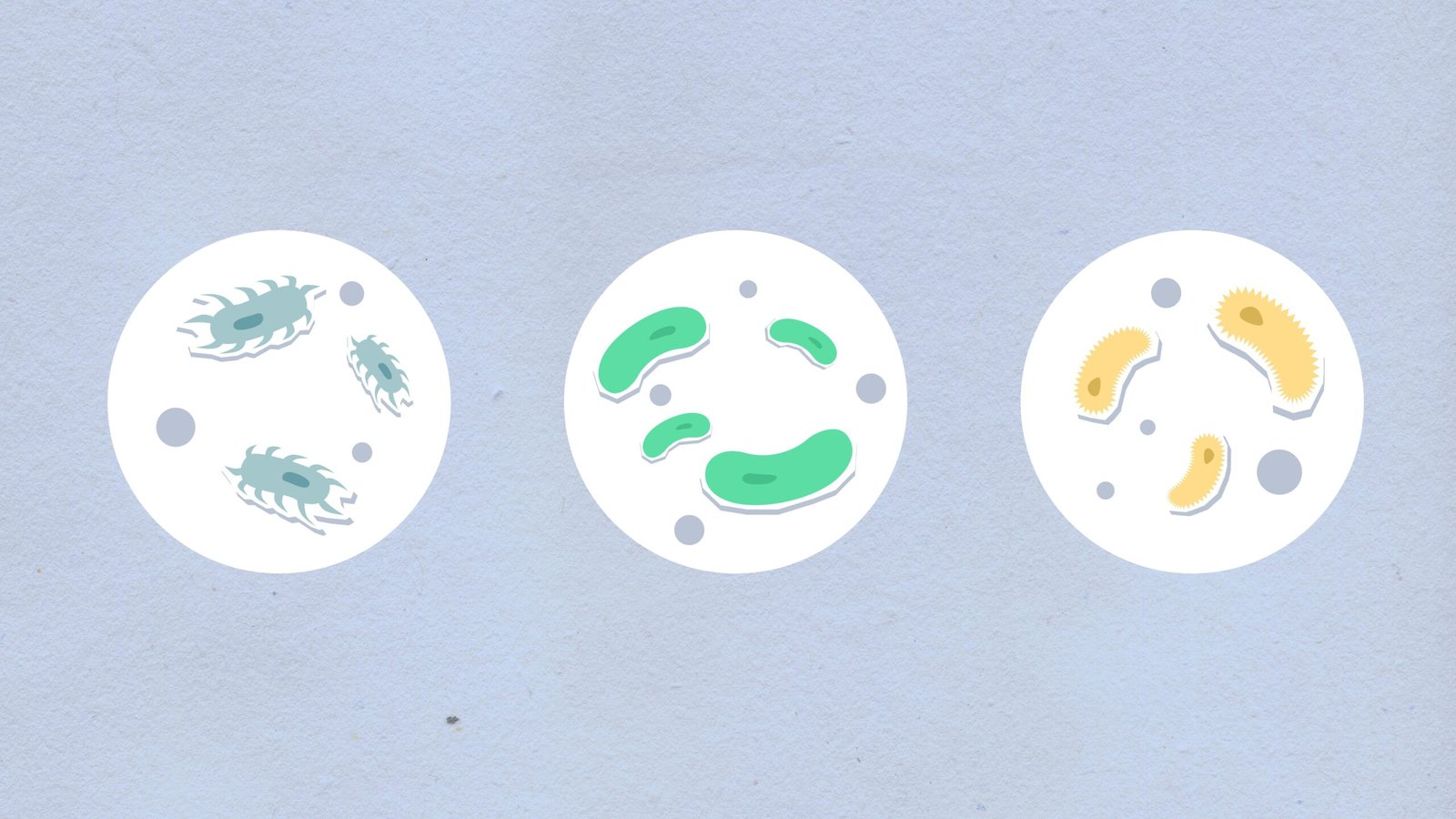

In the summer of 2025, health authorities in Kerala, India, confirmed 69 cases and 19 deaths from a single outbreak of Naegleria fowleri, the organism commonly known as the “brain-eating amoeba.” Concurrently, several children across multiple Chinese provinces were hospitalized with a related fatal brain infection linked to recreational swimming. Social media activity intensified, and public concern increased. Scientists, however, emphasized what public health experts have long recognized: this threat is significantly larger, more resilient, and more widespread than most individuals or water treatment systems are prepared to address.
A 2025 perspective published in the journal Biocontaminant by researchers from Sun Yat-sen University, Lawrence Berkeley National Laboratory, and George Washington University outlines the full scope of the problem. Their analysis describes not merely a rare or exotic infection, but a growing, underdiagnosed, and structurally underestimated global public health crisis that standard water treatment methods are failing to address.
What Are Amoebae, and Why Are Some Deadly?
Amoebae are single-celled organisms found in diverse environments worldwide, including soil, water, air, and even tap water. Most species are harmless. Amoebae move by extending and retracting arm-like projections known as pseudopodia, feeding on bacteria and organic matter. They function as essential contributors to the maintenance of aquatic ecosystems.
However, a subset of these organisms is pathogenic and can cause severe disease.
Naegleria fowleri causes primary amebic meningoencephalitis (PAM), a severe brain infection with a case fatality rate exceeding 98%. The organism enters the body through the nasal passages during activities such as swimming, diving, or nasal irrigation, migrates along the olfactory nerve, and induces acute inflammation of the brain. Over 500 cases have been confirmed across 33 countries, with the highest incidence in the United States, Mexico, Australia, and Pakistan. Researchers caution that the true number of cases is likely much higher.
Acanthamoeba species can cause granulomatous amebic encephalitis, a slower-progressing but similarly fatal brain infection, as well as amoebic keratitis, a corneal infection that primarily affects contact lens wearers and can result in blindness. Entamoeba histolytica, a related parasitic species, causes amoebic dysentery and liver abscesses and continues to pose a significant health burden in regions with inadequate sanitation. Balamuthia mandrillaris, another species capable of invading the brain, has also been associated with fatal encephalitis cases globally.
In response to this increasing threat, the World Health Organization has designated pathogenic free-living amoebae as priority pathogens for research and control efforts.
Why Is This Threat Being Underestimated?
The true scale of amoeba-related disease is likely much greater than official statistics indicate, due to several structural factors.
Prior to the widespread adoption of modern molecular diagnostic techniques, clinicians relied on traditional microscopy to identify amoebae in patient samples. However, under standard microscopy, amoebae are frequently mistaken for yeast, macrophages, or laboratory artifacts. This misidentification results in systematic misdiagnosis, often as bacterial meningitis or viral encephalitis, leading to inappropriate treatment and underreporting of amoebic infections.
Currently, in low-resource settings, the advanced molecular and metagenomic testing required to reliably confirm amoebic infections remains largely inaccessible. Furthermore, because these infections are rare, most clinicians lack direct experience, resulting in a diminished diagnostic reflex.
Additionally, because amoebae inhabit nearly all aquatic environments globally, the disparity between documented cases and actual exposures is likely substantial.
The Trojan Horse Problem: Amoebae Hiding Dangerous Pathogens
At this point, scientific findings indicate a broader and more concerning issue that extends beyond individual infections.
Amoebae are among the oldest microbial predators in nature. They engulf bacteria, fungi, and viruses through a process called phagocytosis, normally digesting them inside specialized cellular compartments. But certain bacteria, called amoeba-resisting bacteria (ARBs), have evolved to survive and even replicate inside amoebae.
These intracellular residents include some of the most dangerous pathogens known to medicine: Legionella pneumophila (the cause of Legionnaires’ disease), Mycobacterium tuberculosis, and Chlamydia. Protected inside the amoeba, these bacteria become shielded from disinfection treatments that would otherwise kill them. They persist longer in the environment, and in some cases, their virulence increases after spending time inside amoebic cells.
Amoebae also shelter enteric viruses, such as human norovirus, coxsackievirus, and adenovirus, significantly extending their survival time in water. And in a finding with profound implications for the global antimicrobial resistance crisis, studies have shown that amoebae collected from forest soils carry substantial loads of antibiotic resistance genes (ARGs), including those conferring resistance to beta-lactams, aminoglycosides, and multiple drugs simultaneously.
Amoebae isolated from tap water have been shown to act as vectors for bacteria, viruses, ARGs, and virulence factors simultaneously and to protect the bacteria they harbor from chlorine disinfection. This means that standard water treatment doesn’t just fail to kill the amoebae; it fails to neutralize the dangerous cargo they carry.
This phenomenon is referred to as the “Trojan horse” effect and constitutes a compounding public health risk that extends beyond individual infections.
Why Standard Water Treatment Is Failing
Most municipal water treatment systems utilize chlorine, ultraviolet light, and filtration to ensure water safety. However, these methods are often inadequate against amoebae, particularly in their dormant cyst form.
Acanthamoeba has been shown to withstand chlorine concentrations as high as 100 mg/L for 10 minutes, well above levels found in drinking water. Vermamoeba vermiformis shows minimal inactivation even at treatment levels considered effective against most pathogens. UV disinfection at standard germicidal wavelengths shows limited effect against resistant cysts. And membrane filtration faces an unusual problem: amoebae can actually colonize ultrafiltration membranes, using them as growth surfaces and contributing to biofouling.
Sublethal chlorine exposure may worsen things. Evidence suggests that low-level chlorine exposure can actually upregulate virulence genes in some amoebae, potentially making survivors more dangerous.
More promising are advanced oxidation technologies. Laboratory research has shown that a FeP/persulfate system can achieve a 4-log reduction in intracellular bacteria within amoeba spores. A piezo-catalytic composite material (MoS₂/rGO) achieved over 4-log reduction in amoebic spores and 5-log reduction in their bacterial cargo within three hours. A novel two-electron water-oxidation strategy using bismuth antimony oxide achieved 99.9% inactivation of amoeba spores and 99.999% inactivation of their intracellular bacteria, simultaneously addressing both the host and its hidden passengers in a single treatment.
While these findings are promising, they remain largely experimental and have not yet been implemented at scale within municipal infrastructure.
Climate Change Is Expanding the Threat
Naegleria fowleri is a thermophilic organism that thrives in warm water. Historically concentrated in the southern United States and tropical regions, the pathogen is projected to expand its range northward with climate warming, introducing it into freshwater systems and recreational areas where it was previously absent.
This trend is already observable in emerging infection reports from regions where N. fowleri was previously absent. As global temperatures rise and extreme heat events prolong warming in freshwater bodies, the period of dangerous exposure lengthens.
What Needs to Happen
The researchers advocate for an integrated response based on the One Health framework, which recognizes the interdependence of human, animal, and environmental health. Effective management of amoebae requires collaboration among environmental microbiologists, clinicians, water engineers, and public health policymakers within a coordinated system.
Key priorities include establishing real-time surveillance networks that integrate clinical diagnosis with environmental monitoring, developing affordable and rapid point-of-care diagnostics suitable for low-resource settings, deploying genomic tools to track pathogen strains and monitor virulence evolution, and implementing targeted public education campaigns addressing high-risk behaviors such as swimming in warm freshwater bodies, disturbing sediment in shallow water, and performing nasal irrigation with untreated water.
At the individual level, practical measures are important, such as using nose clips when swimming in warm freshwater, avoiding head submersion in poorly maintained pools or hot springs, and cleaning contact lenses with sterile rather than tap water.
The Bottom Line
Naegleria fowleri is not a fictional threat but a real and underestimated pathogen. Its dangers extend beyond direct infection to include harboring antibiotic-resistant bacteria and protecting pathogenic viruses from standard disinfection treatments intended to ensure water safety.
The scientific community has raised concerns about this issue for years. The World Health Organization’s 2025 guidelines on N. fowleri in drinking water represent a significant advancement, acknowledging at the highest level of global health governance that amoebae must be prioritized in water safety planning.
The central challenge is whether public health infrastructure, water treatment technology, and clinical diagnostic capacity can adapt rapidly enough to address a pathogen that has persisted on Earth for hundreds of millions of years and is now adapting to a warming climate with remarkable efficiency.
References
Zheng, J., Hu, R., Shi, Y., He, Z., & Shu, L. (2025). The rising threat of amoebae: a global public health challenge. Biocontaminant, 1, e015. https://doi.org/10.48130/biocontam-0025-0019