
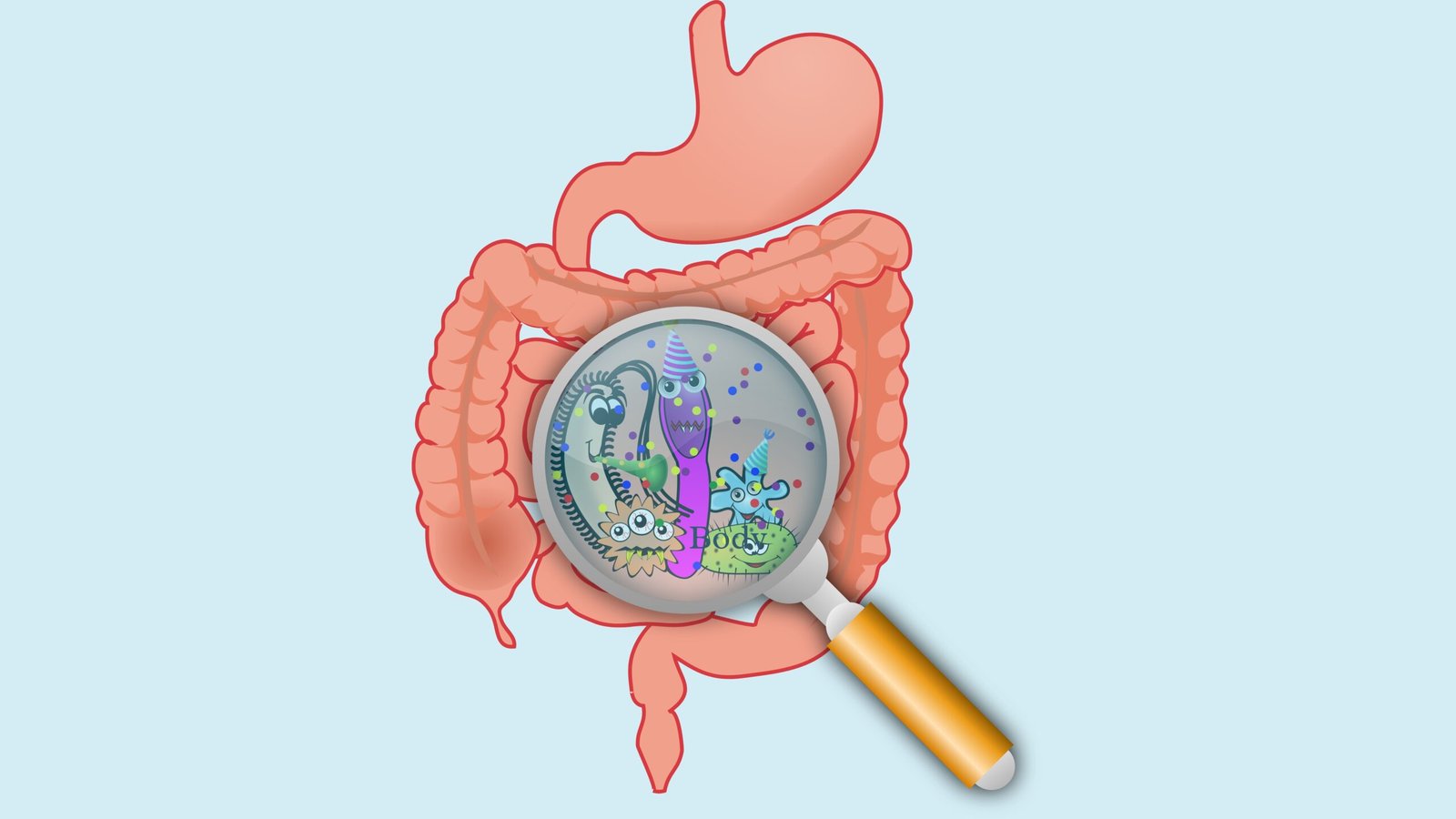

The gut is more than a digestive organ. It is a complex communication system, one that constantly sends and receives molecular signals, regulating inflammation, immunity, and metabolism throughout the body. Most of this communication happens through well-studied pathways: the microbiome, the gut lining, and the immune cells embedded in intestinal tissue. But a 2026 study published in Aging Cell has identified a less-understood participant in this system, one that changes dramatically with age and may be driving some of the most common consequences of growing older.
The study focuses on luminal fecal exosomes (LFEs). These are microscopic particles, roughly the size of a virus, that travel through the gut’s fluid contents. They carry proteins, small RNA molecules, and other molecular signals from both the host body and the gut microbiome. According to this research, the messages that these particles carry change profoundly as we age. These changes appear to actively promote leaky gut, insulin resistance, and metabolic dysfunction.
What Are Gut Luminal Exosomes?
Exosomes are tiny, membrane-enclosed vesicles that cells use to communicate. They bud off from cell surfaces and travel through biological fluids carrying a compressed cargo of proteins, RNA, and lipids from their cell of origin. In the bloodstream, exosomes have been studied extensively as potential disease biomarkers. In the gut lumen, the interior space of the intestine, where digested food and microbes coexist, exosomes are less well characterized, but they appear to serve a similar signaling function.
The LFEs studied here originate from both the host’s intestinal cells and gut bacteria. Because they arise from both the microbiome and the host, they serve as a shared language between these two biological communities, a molecular interface through which microbes and intestinal cells exchange information.
Crucially, the cargo these vesicles carry is not fixed. It responds to the gut’s biological state and, as this study demonstrates, it changes significantly with age.
The Experiment: Transferring Aging’s Messages to Young Mice
Researchers at Marshall University and the University of Missouri collected gut exosomes from both young (3-month-old) and old (24-month-old) male and female mice. They then subjected the samples to detailed molecular analysis. But they did not stop there. They also fed exosomes from old mice directly to young, healthy mice. Essentially, they asked: can the biological messages from an aging gut make a young body behave as if it were older?
The answer was a clear yes.
Young mice that received old-derived LFEs developed measurable gut permeability, often called “leaky gut,” in which the intestinal barrier becomes less effective at keeping microbial products and inflammatory molecules from crossing into the bloodstream. The same mice showed significantly impaired glucose tolerance and insulin sensitivity. When given glucose, their blood sugar spiked higher and remained elevated longer than in mice receiving LFEs from young donors. When given insulin, their cells responded to it less effectively, a hallmark of insulin resistance, the metabolic state that precedes type 2 diabetes.
Reciprocal experiments showed the reverse. Old mice given young LFEs had improved barrier function. Effects ran both ways, confirming gut exosomes as active signals rather than biological debris.
Why the Gut Barrier Matters More Than You Think
The intestinal barrier is one of the body’s most underappreciated defenses. It is a single-cell-thick lining that separates the gut’s interior, teeming with hundreds of trillions of bacteria, from the rest of the body. When this barrier works properly, it allows nutrients to pass through while blocking microbial toxins, undigested molecules, and inflammatory triggers.
When it fails, it becomes permeable, and microbial products leak into the bloodstream. This triggers low-grade systemic inflammation, now associated with type 2 diabetes, cardiovascular disease, Alzheimer’s disease, non-alcoholic fatty liver disease, and a range of other chronic conditions. This is the biological reality behind the term “leaky gut.” It is increasingly understood as one of the key mechanisms connecting gut microbiome disruption to systemic disease.
In this study, the deterioration of gut barrier integrity was measured in cell cultures and living animals using fluorescent tracer molecules that can cross the gut wall only when the barrier is compromised. Old mice had dramatically higher tracer levels in their bloodstream, indicating far greater permeability than in young mice. Old male mice showed the most severe barrier dysfunction. But the effect of age on gut permeability was significant across both sexes.
What Has Changed in the Exosomes?
To understand why old-derived exosomes cause these effects, the researchers analyzed their molecular cargo in detail, performing multi-omics profiling to simultaneously examine proteins and small regulatory RNAs (miRNAs) across all four mouse groups.
The proteomic analysis, which measured hundreds of proteins simultaneously, revealed age- and sex-dependent differences in the proteins carried by LFEs. In old male mice, levels of proteins linked to immune function and digestive enzyme activity were reduced, while levels of proteins associated with cellular stress responses and protein degradation were elevated. Notably, pathways associated with neurodegenerative diseases, including Alzheimer’s and Parkinson’s, appeared enriched in the exosome profiles of older animals, consistent with emerging evidence that gut dysfunction and brain health are more closely linked than previously appreciated.
The miRNA analysis added another layer. MiRNAs are short strands of RNA that do not code for proteins but instead regulate whether other genes are switched on or off. When encapsulated in exosomes, miRNAs from one cell can travel to another and alter its gene expression, making them powerful long-range signaling molecules. The study identified distinct sets of miRNAs that were differentially expressed between young and old mice, with several affecting key metabolic and inflammatory signaling pathways, including PI3K-Akt, mTOR, and MAPK, all of which regulate cell growth, insulin response, and cellular stress response.
Together, these changes paint a picture of exosomes that shift from cargo promoting barrier maintenance and metabolic homeostasis in youth to ones that actively disrupt and dysregulate with age.
The Microbiome Responds Too
When young mice were fed LFEs from older donors for 8 weeks, their gut microbiome shifted measurably. Bacterial communities generally considered beneficial, particularly Muribaculaceae, which are associated with healthy gut function, have decreased. The composition of the microbial population became more similar to that of aged donors.
This suggests that gut exosomes are not merely passengers within the microbiome environment. Rather, they actively shape it. The molecular messages they carry influence which bacteria thrive and which decline. This creates a feedback loop. An aging exosome profile reshapes the microbial community, and an altered microbiome, in turn, influences the exosome cargo it helps generate.
Sex Matters
One of the more clinically relevant findings is that the effects of aging on gut exosomes differed between males and females. Old male mice showed more severe gut barrier dysfunction and more pronounced metabolic impairment than old female mice. The molecular profiles of their exosomes differed substantially, with distinct protein and miRNA signatures emerging along sex lines even in young animals, suggesting that sex-specific differences in gut physiology and aging trajectories are established early and maintained throughout the lifespan.
This has practical implications. It means that any future therapeutic strategies targeting gut exosome biology will likely need to account for biological sex as a key variable, an increasingly recognized principle across medicine, but one that is still routinely overlooked in research design and clinical translation.
What This Means Looking Forward
This study is preclinical, conducted in mice rather than humans. The authors are careful to frame their findings as hypothesis-generating rather than definitive. The specific proteins and miRNAs responsible for the observed effects remain to be individually validated. The mechanisms through which exosome cargo causes barrier disruption and metabolic changes are not yet fully mapped.
But the proof of concept is compelling: tiny particles traveling through the gut can transmit the biological consequences of aging from one body to another. They reshape the microbiome, weaken the gut barrier, and impair insulin signaling, three processes that together contribute to some of the most prevalent chronic diseases of later life.
The authors suggest that targeting the signaling pathways mediated by gut luminal exosomes could offer a new angle on age-related metabolic disease, not by treating symptoms directly, but by correcting corrupted messages that trigger them. Interventions targeting the gut microbiome through diet, probiotics, or more targeted strategies might work in part by altering what is packaged into these microscopic parcels.
The gut has always been a busy communicator. We are only beginning to read its messages.
Reference
Khalyfa, A., Zhen, L., Joshi, T., & Gozal, D. (2026). Gut luminal exosomes in young and old mice: multi-omic characteristics and regulation of gut permeability. Aging Cell, 25, e70455. https://doi.org/10.1111/acel.70455