


Knee osteoarthritis is a leading cause of long-term pain and trouble moving around. As people get older, simple tasks like walking, climbing stairs, or standing up can become harder. While treatments like painkillers, injections, and surgery are often considered, exercise is still one of the safest and most recommended options. But which kind of exercise actually helps the most?
In 2025, a major study in The BMJ gave the clearest answer so far. Researchers analyzed data from 217 trials involving over 15,600 patients to compare different exercises for knee osteoarthritis. They measured which exercises best improved pain, movement, walking, and quality of life. The results give useful advice for patients, therapists, and doctors.
Understanding Knee Osteoarthritis in Simple Terms
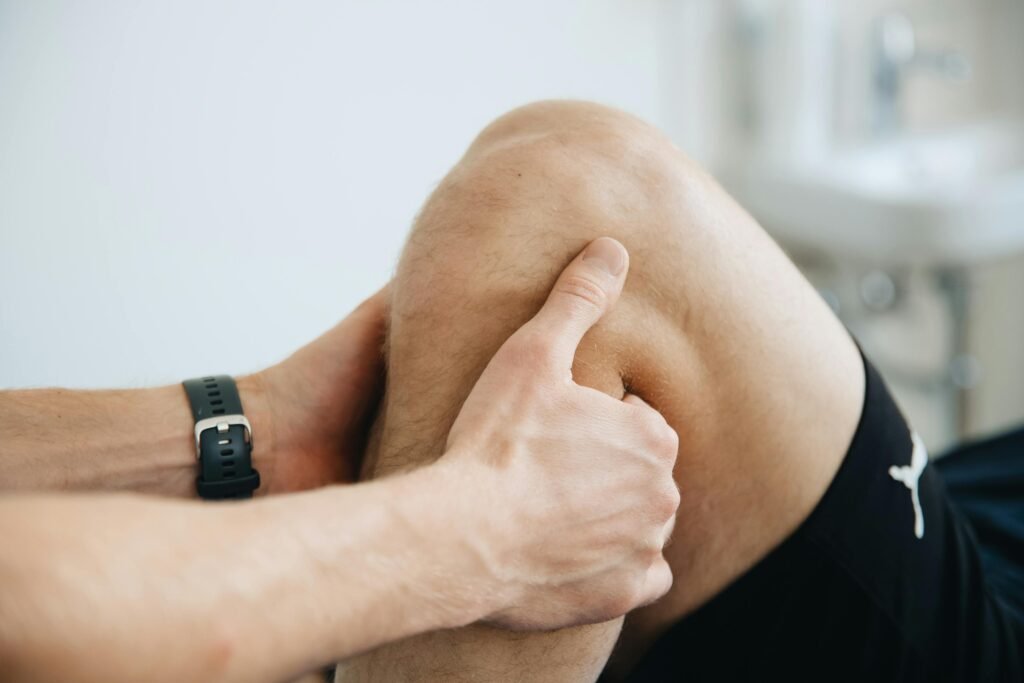
Knee osteoarthritis occurs when the cushioning cartilage in the knee joint gradually wears down. As this protective layer thins, bones begin to rub against each other, leading to:
Persistent knee pain
Stiffness, especially in the morning
Reduced range of motion
Difficulty with daily movements
Decline in the overall quality of life
As people live longer and obesity rates rise, knee osteoarthritis is becoming more common. Unlike short-term injuries, osteoarthritis is a long-lasting and worsening condition, so managing it over time is very important.
Why Exercise Is a Cornerstone of Treatment
Exercise does more than improve fitness. It directly helps the knee joint work better. Clinical guidelines say that exercise helps by:
Strengthening muscles that support the knee
Improving joint stability and balance
Increasing flexibility and movement range
Enhancing blood flow and cartilage nutrition
Reducing pain and inflammation naturally
Different types of exercise can help in different ways. The 2025 BMJ study compared aerobic, strength, flexibility, mind body, neuromotor, and mixed exercise programs to see which worked best.
What the 2025 BMJ Study Did
The researchers used a network meta analysis, which allows them to compare many treatments simultaneously, even when they were not directly compared in the same study.
They analyzed outcomes at three time points:
Short term (around 4 weeks)
Mid term (around 12 weeks)
Long term (around 24 weeks)
The four main outcomes studied were:
Pain reduction
Physical function
Gait (walking) performance
Quality of life
They also closely watched for any safety issues.
The Clear Winner: Aerobic Exercise
For most results, aerobic exercise was the most effective treatment overall.
Pain Relief
Aerobic exercise led to significant reductions in pain at both short and mid term check ins. Even after a longer time, it still helped more than doing nothing.
Improved Physical Function
People who did aerobic exercise could move more easily, perform daily tasks better, and remain independent longer.
Better Walking Ability
Walking speed and walking ability improved most with aerobic exercise, especially in the first few months.
Enhanced Quality of Life
People in the study said they had less pain and felt better overall, with improved mood, more energy, and more confidence moving around.
Overall, the study found that aerobic exercise was most likely to be the best type of exercise for knee osteoarthritis.
What Counts as Aerobic Exercise?
Aerobic exercise is any activity that raises your heart rate for a period of time and is done at a steady pace. For people with knee osteoarthritis, good options include:
Brisk walking
Stationary cycling
Swimming or water aerobics
Low impact treadmill walking
The study found no big differences between types of aerobic exercise. This means people can pick the activity they like best and are most likely to keep doing.
How Other Exercise Types Are Performed
Strengthening Exercise
Strength training made knee function better after a few months. Stronger thigh and hip muscles help keep the knee stable and protect it from too much strain.
Flexibility Exercise
Stretching and flexibility exercises helped reduce pain over the long term, especially after 24 weeks. They also improve joint range of motion and help reduce stiffness.
Mind Body Exercise
Exercises such as tai chi, yoga, and Pilates led to improvements in movement and quality of life, especially in the short term. They also help with balance and mental health.
Neuromotor Exercise
Neuromotor training, which focuses on coordination and balance, provided significant benefits for walking, helping people walk more steadily.
Mixed Exercise Programs
Programs that combined different exercise types also helped, but their results were less consistent than those of aerobic exercise alone.
Is Exercise Safe for Knee Osteoarthritis?
Many people worry about safety, especially older adults. The BMJ study examined injuries and found no clear increase in harm among people who exercised compared with those who did not. This shows that exercise is both safe and effective when done with proper guidance.
Why Long-Term Commitment Matters. One key finding was that the benefits of exercise increase over time. Some exercises showed small results after 4 weeks, but much better effects after 12 or 24 weeks. This means exercise for knee osteoarthritis is not a quick fix but a long-term treatment.
Sticking with an exercise routine is very important. People who keep up with their exercises often see:
Greater pain reduction
Better joint stability
Slower disease progression
Improved confidence and independence
What This Means for Patients and Doctors
Based on the evidence, the researchers recommend:
Aerobic exercise as the first line treatment for knee osteoarthritis
Individualized programs based on age, mobility, and health conditions
Long-term consistency rather than short, intense bursts
Medical supervision for patients with severe symptoms or other health conditions
Think of exercise as a daily medicine, but without the side effects that come with drugs.
The Future of Knee Osteoarthritis Care
This 2025 study is the biggest and most current comparison of exercise treatments for knee osteoarthritis. It shows that movement is safe and one of the best ways to manage joint problems.
With more digital health, tele-rehab, and home fitness programs, more people can get guided exercise therapy no matter where they live. Future research will likely examine the optimal exercise intensity, duration, and personal plans to achieve the greatest long term benefits.
If you or someone you know has knee osteoarthritis, the research is detailed:
Doing regular aerobic exercise, such as walking, cycling, or swimming, yields the best results for less pain, improved movement, easier walking, and a higher quality of life.
Instead of being afraid to move, people should get support to exercise safely, regularly, and with confidence.
Reference
Lei Yan et al., Comparative efficacy and safety of exercise modalities in knee osteoarthritis: systematic review and network meta-analysis, The BMJ, 2025. https://dx.doi.org/10.1136/bmj-2025-085242