
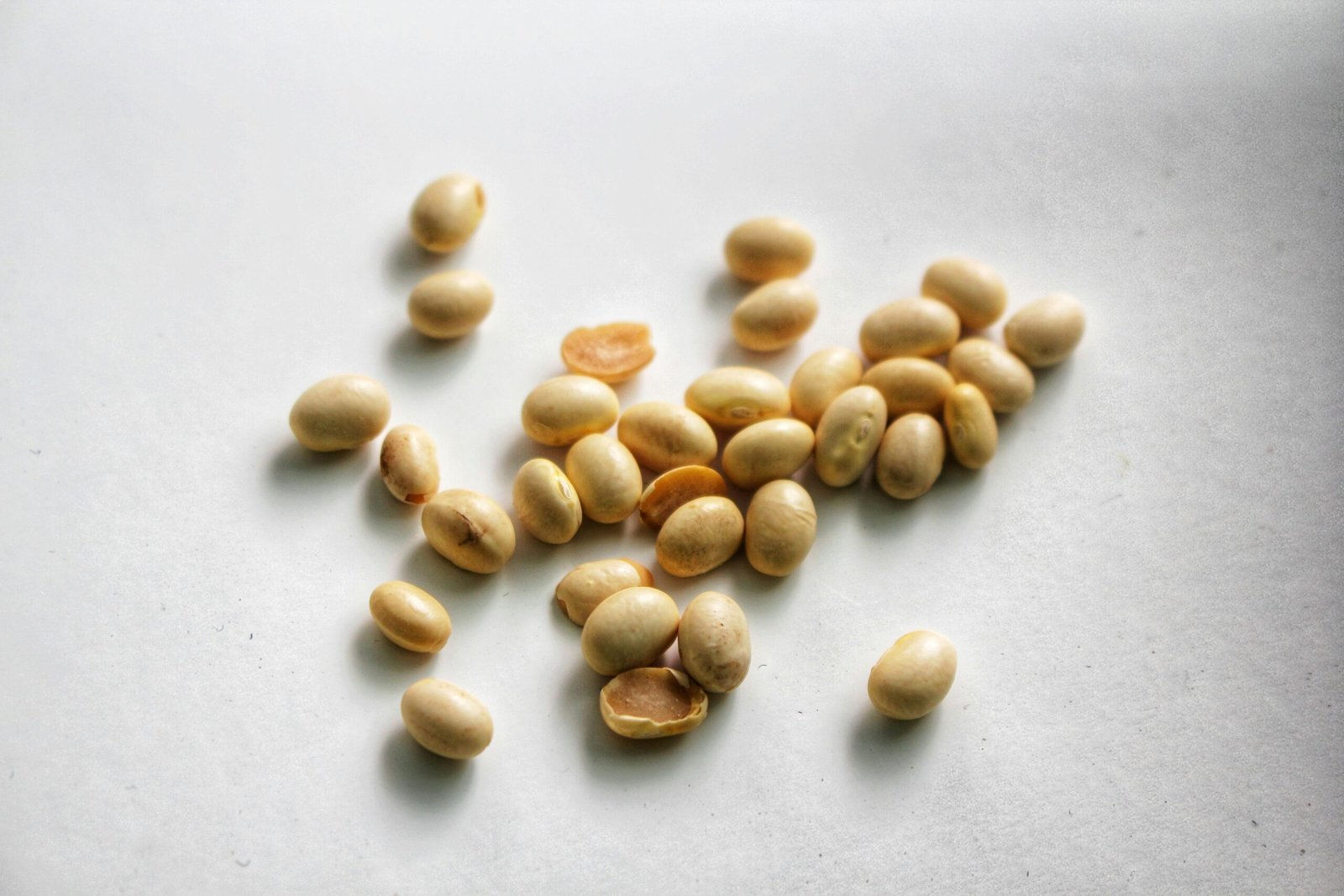

High blood pressure is one of the most dangerous and widespread conditions worldwide. A major new analysis suggests one of the most powerful tools against it might already be in your kitchen.
Hypertension, or chronically elevated blood pressure, affects an estimated 1.4 billion people worldwide, making it the single largest modifiable risk factor for disease and premature death. It drives heart attacks, strokes, kidney failure, and more. And it’s getting worse: global hypertension cases have more than doubled over the past three decades.
Drugs can control it. Exercise helps. Salt reduction matters. But what about food? Specifically, what about legumes the humble family of beans, lentils, chickpeas, and peas and soy foods like tofu and edamame?
A landmark new systematic review and meta-analysis published in BMJ Nutrition, Prevention & Health has pooled data from 12 prospective cohort studies, covering more than 300,000 participants and nearly 100,000 hypertension cases, to deliver one of the clearest dietary signals yet: eating more legumes and soy is meaningfully associated with lower hypertension risk, and the more you eat, the greater the benefit.

What the Research Found
This wasn’t a small-scale lab experiment. The research team, affiliated with Imperial College London and King’s College London among others, conducted a rigorous systematic review of prospective studies the gold standard in nutritional epidemiology and pooled their results.
The headline findings are striking:
Legumes (beans, lentils, chickpeas, peas):
- People with the highest legume intake had a 16% lower risk of developing hypertension compared to those with the lowest intake.
- In the dose-response analysis, every additional 100 grams of legumes per day was associated with a 12% lower risk.
- The protective effect was linear — meaning the more you ate, the lower the risk — continuing to build up to around 170 grams per day.
Soy foods (tofu, edamame, soy milk, fermented soy):
- High soy consumers had a 19% lower risk of hypertension versus low consumers.
- Each additional 100 grams of soy per day was associated with a 24% lower risk.
- The effect was strongest up to around 60–80 grams per day, after which no additional risk reduction was observed.
The researchers also evaluated the likelihood that this relationship is genuinely causal rather than a statistical coincidence, using the rigorous World Cancer Research Fund grading criteria. Their verdict: probable causality for both legumes and soy. That’s a high bar in nutritional science, and the evidence cleared it.
How Much Are We Actually Talking About?
One of the most practical aspects of this research is the accessibility of the quantities.
100 grams of legumes is roughly equivalent to:
- One cup of cooked beans, lentils, or chickpeas
- 5–6 tablespoons of cooked peas or soybeans
- A palm-sized serving of tofu
That’s not a dramatic dietary overhaul. It’s a bowl of lentil soup. A side of hummus and vegetables. A tofu stir-fry a few nights a week. For most people, meeting even the higher end of the beneficial range (up to 170 g/day for legumes) is entirely achievable.
Context matters here too. Across Europe and the UK, average legume intake sits at just 8–15 grams per day, a fraction of what current dietary guidelines already recommend, let alone what this new research suggests is optimal for blood pressure health. The gap between what people eat and what the evidence supports is enormous.
Why Would Legumes and Soy Lower Blood Pressure?
The association makes sense biologically. Legumes and soy foods pack a uniquely dense nutritional profile that hits several of the known drivers of hypertension simultaneously.
Potassium and magnesium. Both minerals are found in high concentrations in legumes and soy. Both have well-established blood pressure-lowering effects; potassium helps the kidneys excrete excess sodium, while magnesium relaxes blood vessels. Deficiency in either mineral is linked to higher blood pressure.
Dietary fibre. Legumes and soy are exceptional sources of soluble dietary fibre, which benefits blood pressure through multiple pathways. When gut bacteria ferment this fibre, they produce short-chain fatty acids that trigger the release of nitric oxide, a molecule that dilates blood vessels and lowers blood pressure.
Plant protein. High-quality plant protein, abundant in both legumes and soy, appears to have independent blood pressure-lowering properties compared to animal protein sources, possibly by improving kidney function and reducing arterial stiffness.
Soy isoflavones. Soy contains unique bioactive compounds, particularly genistein and daidzein, that appear to have direct effects on blood vessel function and blood pressure. Multiple clinical trials support their role in reducing both systolic and diastolic pressure.
Body weight effects. Separate research has found that higher legume and soy intake is associated with lower obesity risk, and obesity is itself one of the most powerful risk factors for hypertension. So the benefits may be partly direct and partly mediated through healthier body weight.
What Makes This Study Different
Several previous studies had hinted at this connection, but the evidence was fragmented and inconsistent. A 2019 meta-analysis found a 9% lower risk of hypertension with high legume intake but included fewer studies and flagged very low certainty in the data. This new analysis substantially expands on that, including 10 cohort studies on legumes and, critically, 7 on soy, making it the first meta-analysis to rigorously evaluate the soy-hypertension relationship in prospective cohorts.
The dose-response analysis is also a major contribution. Rather than simply comparing high- and low-intake groups (a crude distinction), the researchers mapped how risk changes across the full spectrum of intake. That linear relationship for legumes continuing to improve all the way to 170 g/day is particularly important because it suggests that gradual, sustained increases in legume consumption are genuinely worthwhile, even from a low baseline.
What This Means in Practice
The public health implications are significant. Hypertension is already at epidemic scale globally. Pharmaceutical treatment is effective but imperfect, carries side effects, and remains inaccessible or unaffordable for many people in lower-income countries precisely where hypertension rates are rising fastest.
Dietary interventions, such as increasing legume and soy consumption, are inexpensive, broadly accessible, culturally adaptable, and have no adverse effects. They also support sustainability goals: legumes are among the lowest-carbon, most environmentally friendly protein sources available, as reflected in their prominent role in the 2025 EAT-Lancet Commission report on healthy, sustainable food systems.
Current European dietary guidelines already recommend 60–200 grams of plant-based protein per day, with legumes as a primary source. The UK’s NHS counts an 80-gram serving toward the government’s 5-a-day fruit and vegetable recommendation. This new research doesn’t ask people to do something radical; it provides evidence that following the guidelines already recommends has real, measurable benefits for one of the world’s most dangerous conditions.
Important Caveats
Like all nutritional research, this study has limitations worth acknowledging.
There was significant heterogeneity among the 12 included studies, leading to considerable variation in results, likely reflecting differences in the types of legumes consumed, preparation methods, and broader dietary patterns across cultures. Legumes in a Japanese diet (edamame, natto) look very different from legumes in a Mediterranean diet (chickpeas, lentils), and those differences may matter.
The studies are also observational; they track what people eat and what health outcomes follow, but cannot definitively prove that legumes or soy are the direct cause of lower blood pressure, rather than other aspects of healthier lifestyles that tend to accompany higher plant food consumption.
That said, the robustness of the association across diverse populations, the dose-response pattern, the biological plausibility of the mechanisms, and the WCRF’s “probable causality” rating collectively make a compelling case that the relationship is real.
The Bottom Line
A growing body of evidence now points consistently in one direction: diets higher in legumes and soy are associated with meaningfully lower blood pressure, with risk reductions of 16–19% for high versus low consumers, and continuing benefits at levels entirely practical to achieve.
A cup of lentils. A block of tofu. A serving of hummus. These aren’t exotic interventions; they’re foods eaten daily across much of the world for centuries. Science is now catching up to what many traditional diets have known for generations: the beans on your plate may be doing more for your heart than you ever realized.
Reference:
Metoudi M, Sadler I, Kassam S, Aune D. (2026). Legume and soy consumption and the risk of hypertension: a systematic review and dose–response meta-analysis of prospective studies. BMJ Nutrition, Prevention & Health, 0: e001449. https://doi.org/10.1136/bmjnph-2025-001449