
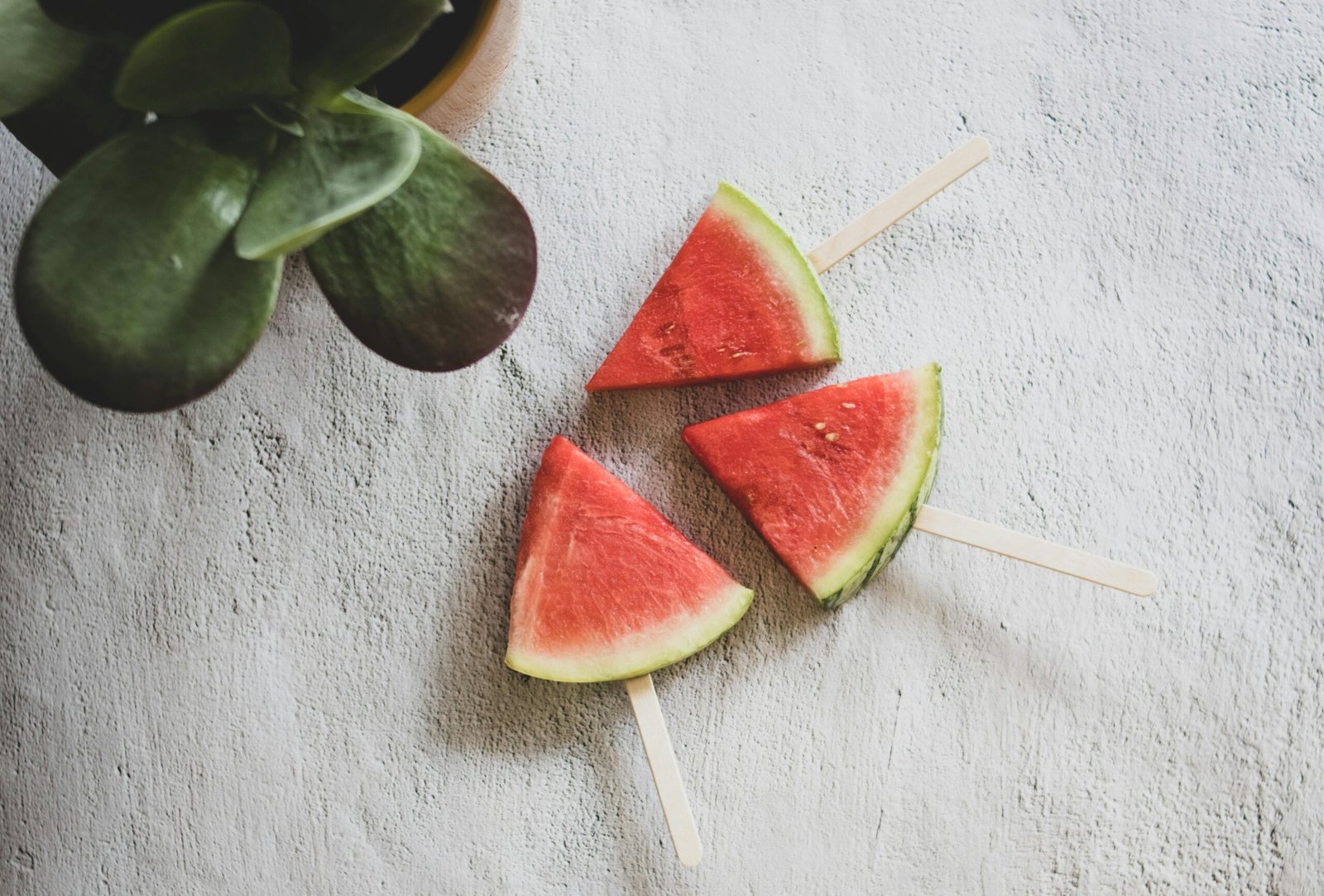

Watermelon is sweet, refreshing, and composed primarily of water. However, recent research indicates that its benefits extend beyond hydration. A large-scale study published in the journal Nutrients found that individuals who regularly consume watermelon exhibit significantly better overall diet quality and higher intakes of several key nutrients compared to non-consumers.
The observed differences are substantial.
Study Overview: Analysis of 15 Years of Dietary Data from 56,000 Participants
Researchers analyzed dietary data collected between 2003 and 2018 from the National Health and Nutrition Examination Survey (NHANES), one of the most comprehensive and nationally representative nutrition studies in the United States. The final sample comprised over 56,000 children and adults aged two years and older, all of whom completed detailed dietary recall interviews.
Participants were divided into two groups: watermelon consumers (those who reported eating raw watermelon or drinking 100% watermelon juice) and non-consumers. The research team compared nutrient intakes and overall diet quality scores between these groups, adjusting for age, gender, physical activity, income, and smoking status.
The results demonstrated notable differences.

Watermelon Consumers Exhibit Higher Diet Quality Scores
Diet quality was assessed using the Healthy Eating Index (HEI-2015), a tool designed to evaluate how closely an individual’s diet aligns with the US Dietary Guidelines. Higher scores indicate better adherence.
Children who consumed watermelon scored 6.6 points higher on the HEI-2015 than non-consumers, while adults scored 7.3 points higher. Both groups also achieved higher sub-scores for fruit, saturated fat, and added sugar intake.
Notably, some of these sub-scores were unrelated to fruit consumption. Watermelon consumers consistently scored higher on limiting saturated fats and added sugars, which are commonly overconsumed in the American diet. The researchers propose that the natural sweetness of watermelon may help reduce cravings for sugary, high-fat snacks, although further research is required to confirm this effect.
Unexpected Nutritional Benefits of Watermelon
Watermelon is commonly regarded as a hydrating food rather than a significant source of nutrients. However, 100 grams of watermelon provides substantial amounts of potassium, vitamin C, vitamin A, magnesium, folate, and dietary fiber, contributing up to 37% of daily vitamin C requirements in certain age groups.
The study found that both children and adults who consumed watermelon exhibited:
- Over 5% higher intake of dietary fiber, magnesium, potassium, and vitamin A
- Over 5% lower intake of added sugars and saturated fatty acids
- Significantly higher intake of lycopene and other carotenoids
Among children, watermelon consumers had approximately 219 mg more potassium and 32 mg more magnesium per day compared to non-consumers. In adults, differences were even greater, with over 314 mg more potassium and 22 mg more magnesium daily.
These differences are substantial. Both potassium and magnesium are commonly under-consumed in the American diet and are essential for heart health, blood pressure regulation, and muscle function.
Watermelon and Lycos a Source of Lycopene: An Underrecognized
Watermelon is one of the richest dietary sources of lycopene, a potent antioxidant more commonly associated with tomatoes.
In this study, children who consumed watermelon had lycopene intakes exceeding those of non-consumers by more than 10,000 micrograms per day, while adults had intakes over 13,000 micrograms per day, higher than those of non-consumers. Watermelon also contains high levels of beta-carotene and beta-cryptoxanthin, two additional carotenoids with antioxidant properties, at concentrations significantly greater than those found in most commonly consumed fruits. Research has linked lycopene intake to reduced risk of certain cancers and improved cardiovascular health, though this evidence is still emerging.
Consideration of Water Consumption.
Although watermelon juice is included, it represents a negligible portion of total intake; it barely matters. The researchers found that participants consumed watermelon rather than juice. Therefore, the reported benefits primarily pertain to the whole watermelon, the whole fruit.
Quantifying Watermelon Consumption
Across the US population, average watermelon intake was approximately 7.5 grams per day for children and 7.3 grams per day for adults, indicating that most individuals do not consume it daily. Among those who did consume watermelon, the average intake was considerably higher: approximately 125 grams per day for children and 161 grams per day for adults, equivalent to one to two large slices.
Male participants consumed more watermelon than female participants across both age groups; however, benefits were observed across all demographics. Potential Effects of Watermelon on Health: Help with Wind Hydration Too?
The research also identified potential benefits beyond diet quality and nutrient intake. A separate 2019 study cited by the authors found that consuming 2 cups of fresh watermelon daily was associated with lower body weight and body mass index (BMI) and reduced feelings of hunger compared with a control snack.
Watermelon consists of 91% water by weight, making it one of the most hydrating foods available. As dehydration is common, particularly among older adults, and has been linked to cognitive decline and worsened mood, regular consumption of high-moisture foods, such as watermelon, may provide benefits beyond basic nutrition.
Conclusion
This research contributes to a growing body of evidence suggesting that small, consistent dietary choices can significantly influence outcomes over time. Watermelon is inexpensive, widely available year-round, and easy to grow. And the data demonstrate that its consumption is associated with higher intakes of several nutrients in the American diet and with significantly better overall diet quality.
Adopting small dietary changes, such as choosing watermelon over less nutritious snacks, may represent a meaningful improvement in overall dietary quality.
Reference
Fulgoni, K., & Fulgoni, V. L., III. (2022). Watermelon intake is associated with increased nutrient intake and higher diet quality in adults and children, NHANES 2003–2018. Nutrients, 14(22), 4883. https://doi.org/10.3390/nu14224883