


Each year, millions of individuals with Crohn’s disease experience a recurring cycle of remission and relapse. The most effective medications, antibody drugs targeting tumor necrosis factor (TNF), a central inflammatory molecule, eventually lose efficacy in a substantial proportion of patients. This loss of effectiveness occurs because patients’ immune systems develop antibodies against the therapeutic agents. Furthermore, even when these treatments reduce inflammation, they do not fully restore the integrity of the damaged gut lining.
A 2026 study published in Stem Cell Reports by researchers at the University of Tokyo introduces a novel therapeutic approach, originating from an unexpected source: licorice root.
The Problem With Existing Crohn’s Treatments
To appreciate the significance of this finding, it is necessary to examine the cellular pathophysiology underlying Crohn’s disease.
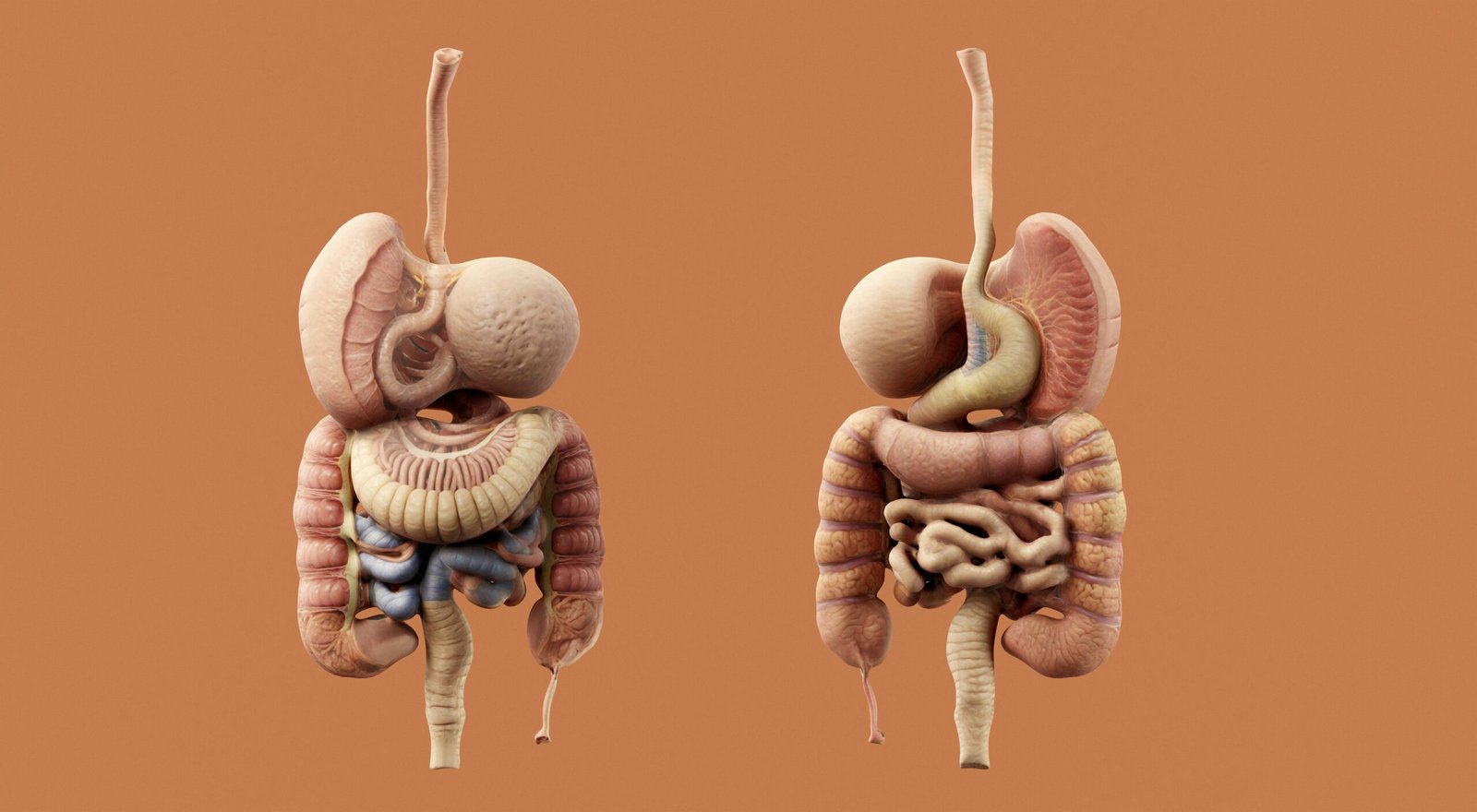
Crohn’s disease is a form of inflammatory bowel disease (IBD) in which the intestinal lining is repeatedly damaged. The key villain is TNF, a protein released by immune cells that drives chronic inflammation in the gut wall. Left unchecked, TNF triggers a cascade of events that causes intestinal epithelial cells, which line and protect the gut, to die.
This limitation highlights the shortcomings of current treatments. Agents such as infliximab and adalimumab neutralize TNF in the bloodstream and reduce inflammation, but they do not directly protect intestinal epithelial cells from injury. When the mucosal barrier is compromised, bacteria and inflammatory mediators can penetrate deeper tissues, thereby sustaining the disease process.
The researchers in Tokyo sought to determine whether it is possible to directly protect intestinal epithelial cells from cell death.
Mini Intestines as Drug Detectives
The research team employed organoids, which are three-dimensional structures derived from human stem cells that self-organize to closely resemble actual organs. This technology has significantly advanced drug discovery in recent years.
The researchers had previously developed a scalable, cost-effective method for growing human intestinal organoids (HIOs). Crucially, they discovered that organoid-derived intestinal cells behave very differently from cancer-derived cell lines (such as Caco-2 cells) that laboratories have traditionally used to study the gut. When exposed to TNF at concentrations similar to those found in the intestinal tissue of actual Crohn’s patients, organoid-derived cells died rapidly. Caco-2 cells, by contrast, were largely unaffected.
This distinction is critical. Screening drugs using cell lines that do not respond accurately to disease-relevant stimuli may lead to overlooking effective compounds and prioritizing ineffective ones. The organoid system more faithfully replicates the physiological responses of the human gut, making it a superior platform for therapeutic discovery.
Using this platform, the team screened approximately 3,500 pharmacologically active compounds to find any that could protect organoid-derived intestinal cells from TNF-induced death. The compounds were tested at a clinically relevant TNF concentration of 100 picograms per milliliter, the level actually observed in Crohn’s disease tissue.
The Discovery: A Thousand-Year-Old Sweetener
Of the 3,500 compounds screened, three demonstrated dose-dependent protective activity. Notably, one of these was glycyrrhizin, a naturally occurring compound extracted from the root of the licorice plant (Glycyrrhiza glabra).
Glycyrrhizin is a well-established molecule with a long history of use in traditional herbal medicine in China and Japan. It is at least 30 times sweeter than cane sugar and is widely utilized as a natural sweetener in food products. Glycyrrhizin possesses documented antibacterial, antifungal, anti-inflammatory, antioxidant, and hepatoprotective properties. However, its potential to directly protect intestinal epithelial cells from TNF-induced apoptosis had not been thoroughly investigated.
The screening results demonstrated that glycyrrhizin dose-dependently inhibited TNF-induced cell death in human intestinal organoid cells, with protective effects observed at concentrations within a plausible therapeutic range. Importantly, unlike the other two identified compounds (the antibiotic thiostrepton and the cancer drug PF-04691502), glycyrrhizin did not enhance cell survival in the absence of TNF. This indicates that its effect is specific to the inflammatory context rather than promoting general cell proliferation. Glycyrrhizin protected cells from apoptosis without artificially stimulating their growth.
The protective effect of glycyrrhizin was consistent across various organoid types, including small intestinal organoids, primary ileum organoids derived from an adult human donor, and colonic organoids. This effect was also observed in intact three-dimensional organoid structures, not solely in dispersed cells.
How Glycyrrhizin Works: A New Mechanism
The research team further investigated the molecular mechanism underlying glycyrrhizin’s protective effect, yielding unexpected results.
Glycyrrhizin is best known for its ability to inhibit a group of proteins called HMGBs (high-mobility group box proteins), which are alarm signals released by dying cells that amplify inflammation. The researchers initially hypothesized that this was the pathway by which glycyrrhizin protected the organoid cells. They tested this hypothesis rigorously, knocking down HMGB1 and HMGB2 genes using RNA interference and using known inhibitors of the HMGB signaling pathway. Neither approach reproduced the protective effect of glycyrrhizin.
These results excluded HMGB inhibition as the relevant protective mechanism in intestinal epithelial cells.
Instead, the team traced the protection to a different pathway: the caspase-8-triggered apoptosis cascade, a key molecular executioner in the cell death process. In organoid-derived cells, TNF primarily drives apoptosis, a form of controlled, programmed cell death mediated by caspase-8 signaling. Glycyrrhizin was found to block the downstream effects of caspase-8 activation, preventing the cleavage of RIP1 and caspase-3, the proteins that execute the apoptotic program. Notably, it did this without inhibiting caspase-8 itself, meaning it intervenes further down the signaling chain.
This represents a mechanistically distinct finding. Unlike existing antibody drugs that neutralize TNF in the extracellular space, glycyrrhizin acts intracellularly by interrupting the apoptotic signaling cascade at a later stage. Consequently, glycyrrhizin may serve as a complementary therapy rather than a replacement for current anti-TNF agents.
Further evidence for this specificity was provided by the observation that glycyrrhizin had no effect on TNF-induced cell death in L929 cells, a standard laboratory cell line that undergoes necroptosis rather than apoptosis in response to TNF. This finding confirms that glycyrrhizin’s protective mechanism is specific to apoptosis, the predominant form of TNF-induced cell death in intestinal epithelial cells. The use of the organoid screening system was therefore essential, as conventional cell-line screens would likely have overlooked glycyrrhizin’s activity.
The researchers also determined that glycyrrhetinic acid, the primary metabolite of glycyrrhizin produced by gut bacteria, did not replicate the protective effect. This finding suggests that the intact glycoside structure of glycyrrhizin is essential for its anti-apoptotic activity. Consequently, strategies to deliver glycyrrhizin in a form that resists bacterial metabolism may be necessary to maximize its therapeutic potential in the gut.
From Lab Dish to Living Mouse
To validate the organoid findings in vivo, the research team employed a standard mouse model of inflammatory bowel disease: dextran sodium sulfate (DSS)-induced colitis. In this model, mice develop intestinal inflammation following administration of a chemical irritant in their drinking water.
Mice that received oral glycyrrhizin alongside the DSS treatment showed reduced epithelial damage and less inflammatory cell infiltration in their colons compared to untreated mice. The colon shortening that typically accompanies severe inflammation, a standard indicator of disease severity, was significantly reversed in glycyrrhizin-treated animals. Consistent with the organoid findings, the percentage of colon-lining cells undergoing apoptosis was significantly lower in treated mice.
These in vivo results confirm that glycyrrhizin’s protective effect extends beyond laboratory models and is effective in living organisms with intestinal inflammation.
What This Means for Crohn’s Disease Patients
The study acknowledges several limitations. The mouse colitis model, although widely utilized, does not fully replicate human Crohn’s disease. Similarly, the organoids consist solely of intestinal epithelial cells and lack the immune cells, microbiota, and supporting tissue present in the complete gut environment. Human clinical studies are necessary to determine whether glycyrrhizin is safe and effective in individuals with Crohn’s disease and to assess inter-individual variability in response.
Nevertheless, the findings are scientifically significant for several reasons. Glycyrrhizin is a well-characterized compound with an established safety profile. The World Health Organization has identified a no-observed-adverse-effect level of 2 mg/kg body weight per day based on clinical studies, and glycyrrhizin has been consumed as a food ingredient for decades. This established safety record may expedite the transition from discovery to clinical application compared to novel synthetic compounds.
More broadly, the study demonstrates an important lesson about how drug discovery should be conducted. Using human organoids that respond to disease-relevant stimuli, rather than convenient but physiologically inaccurate cancer cell lines, revealed a compound that a conventional screen would almost certainly have missed. That methodological lesson is arguably as significant as the discovery of glycyrrhizin itself.
For Crohn’s patients who have lost response to existing therapies and face the prospect of repeat surgical interventions or permanent intestinal damage, a compound that directly shields the gut lining from inflammatory cell death represents a genuinely new therapeutic concept. The journey from promising lab findings to available medicine is long, but this is how it begins.
Reference
Takahashi, Y., Zhang, Z., Tanaka, I., Lee, I.-T., He, J., Koura, Y., Sato, S., Kojima, H., Okabe, T., Kiyono, H., Sasaki, T., Yamauchi, Y., Kurashima, Y., & Sato, R. (2026). Organoid phenotypic screening identified glycyrrhizin that confers protection against tumor necrosis factor-induced cell death. Stem Cell Reports, 21, 102891. https://doi.org/10.1016/j.stemcr.2026.102891