

Over the decades pain relief and inflammation control have had a close relationship in medicine. Non steroidal anti inflammatory drugs (NSAIDs) like ibuprofen and aspirin help to reduce pain by inhibiting the production of prostaglandins (PG) although at a price: NSAIDs may cause stomach bleeding, kidney failure and even slow down tissue healing.
However, currently a study in Nature Communications (2025) by scholars at the University of Florence and New York University provides one method of decoupling pain and inflammation. The group found that, when the prostaglandin E2 receptor 2 (EP2), a glial cell that wraps the peripheral nerves, is blocked in Schwann cells, the glial cells of the body are capable of causing pain in the body regardless of the cause, and the natural body response to the injury remains intact.
This observation has been a paradigm shift in the biology of pain and may result in a novel category of non addictive treatments of pain.
The Relationship between Inflammation and Pain.
Inflammation is a protective mechanism. Immunological reaction to tissue injuries involves release of signaling molecules known as prostaglandins by the immune system that increase the amount of blood flowing to the injured area and the sensitivity of nerve endings to avoid additional injury. PGE2 is just one of the prostaglands that is a significant cause of pain and inflammation.
NSAIDs inhibit the action of an enzyme known as cyclo oxygenase (COX) in order to inhibit the production of prostaglandins, which cause pain. But, prostaglandins which are very important in tissue repair and gastric protection are also eliminated by the systemic, COX, inhibition, which accounts for the famous side effects of NSAIDs.
It has always seemed difficult to dissociate pain producing pathways and healing pathways to retain the benefits of inflammation without the pain in which it is expressed.
The Discovery Schwarz Cells and the EP2 Receptor.
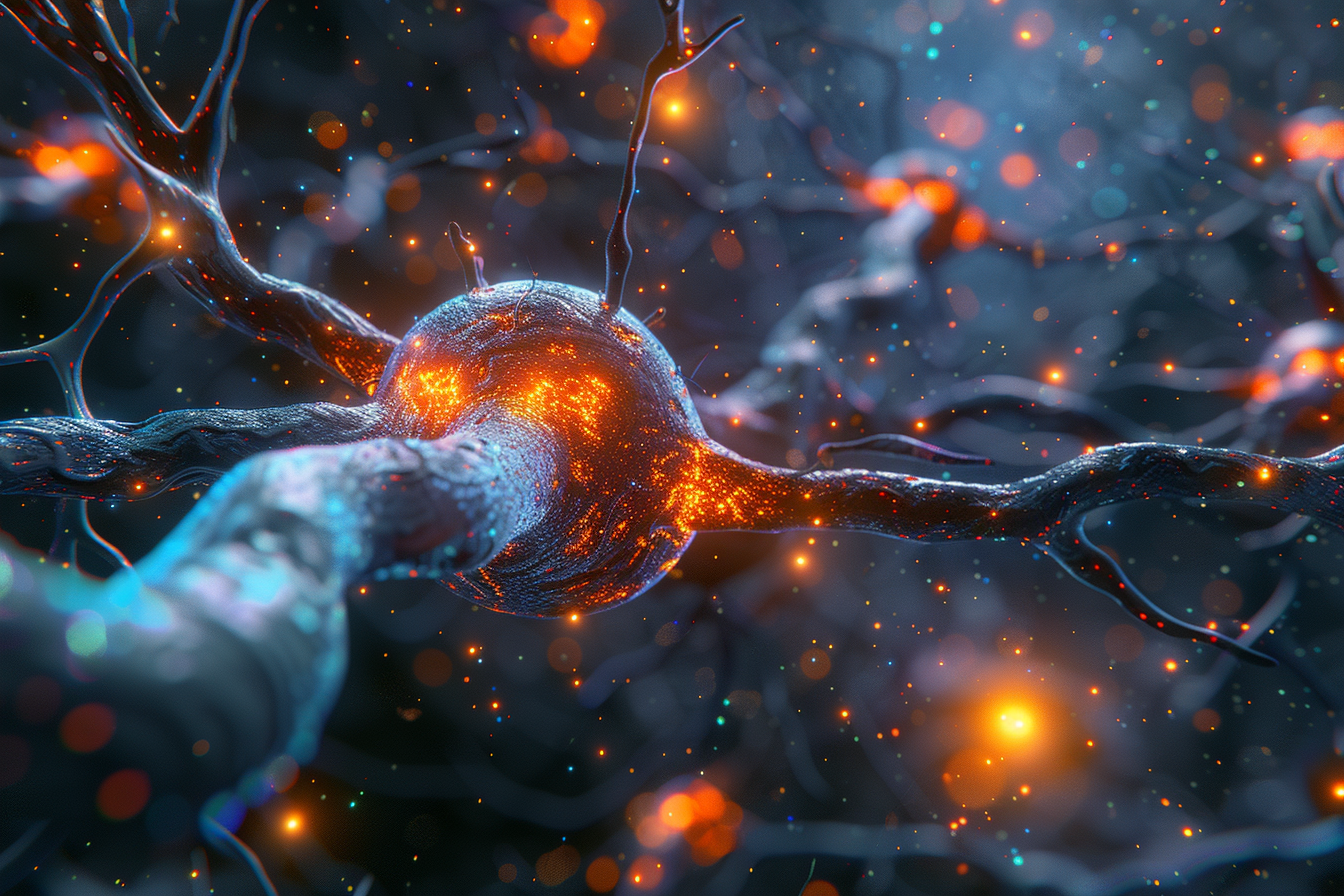
The new study indicates that the clue to such separation is the presence of Schwann cells, which are the support cells around the peripheral nerves. Scientists discovered that these cells have a PGE2 receptor termed EP2, which is a molecular on switch of pain.
The team used sophisticated genetic techniques to silence EP2 in mice using adeno associated virus (AAV) vectors in the selective process of silencing Schwann cells. Mice deprived of Schwann cell EP2 when exposed to inflammatory stimuli like carrageenan or complete Freund adjuvant (CFA) displayed virtually no pain like behavior, although the rest of the inflammation and immunological processes proceeded normally.
This implies that the EP2 receptor of Schwann cells is a special pain channel and not a repair channel.
Mechanism Decoding: The Pain Causing EP2.
The binding of PGE2 to the EP2 receptor of Schwann cells leads to a sequence of intracellular events with cyclic AMP (cAMP) and protein kinase A (PKA). These molecules trigger a nanodomain signaling hub around the cell membrane, which causes hypersensitivity of nerve endings around the cell membrane.
This was validated when the researchers used optogenetic tools light activated enzymes to generate cAMP to stimulate the Schwann cells artificially. Mice developed mechanical allodynia (sensitivity to touch) without injury in response to blue light induced cAMP production in such cells.
Inhibition of EP2 or interference with this complex anchored on the membrane of cAMP/PKA immediately prevented the transmission of the pain signal. Notably, IL-1b, TNF-a, and paw swelling, which are indicators of inflammation, did not change, and this indicates that there was no interference with healing mechanisms.
EP2 vs. EP4: The Receptor Divide
There are four receptors of PGE2 molecule that include EP1, EP2, EP3, and EP4 with each having a different effect. Previous research attributed the cause of inflammatory pain to EP4 but this new study clarifies the misunderstanding.
The scientists demonstrated through selective gene silencing:
Neuron receptors of EP4 lead to pain that is short lived and includes burning or throbbing.
The persistent long-lasting pain that is characteristic of chronic inflammation is mediated by EP2 receptors in Schwann cells.
Mice silenced with EP2 still responded normally to long-term painful stimuli but healed, moved, and responded normally to immune system infections.
Animal to Human Understanding.
The team found that the expression of EP2 receptor is in both human and mouse Schwann cells and indicated that the pathway is evolutionarily preserved. Human Schwann cells that were stimulated with PGE2 in the laboratory revealed a comparable increase in cAMP and PKA signalling, which supports the same process in individuals. This leaves the possibility of creating specific EP2-blocking medications or gene therapies of inflammatory pain, which can be used in arthritis, nerve damage, and postoperative healing.
Critical Experiments and Discoveries.
Local pain responses: Localized application of PGE2 in mice resulted in local hypersensitivity of the paw that was injected an indication of local Schwann cell activity.
Effect of silencing EP2 in Schwann cells Silencing of EP2 in Schwann cells inhibited the occurrence of mechanical pain, but not redness or swelling.
No side effects on other organs of the body: In contrast to NSAIDs, when used on experiments, blocking EP2 did not cause damage to kidneys, hepatolith, or cardiovascular activity.
Optogenetic evidence: When the production of cAMP was activated with light, it re created pain that was causative and not correlated.
Free inflammation: The levels of pro-inflammatory cytokines and infiltration of leukocytes remained, which proves that EP2 acts on pain independently.
Why This Matters
More than a billion individuals in the world experience chronic pain. The existing medications, ranging between NSAIDs and opioids, have serious adverse effects or are addictive. This paper will offer a molecular roadmap to pain-specific therapy deactivate pain transmission and leave immune repair intact.
Inspiration could be drawn to attack Schwann cell EP2:
Topical EP2 inhibitors of arthritis or post operative pain.
Gene therapies to silence EP2 in local nerves inhalable or injectable.
Non addictive analgesics which do not cause gastrointestinal and cardiac toxicity.
Isolating the pain pathway of inflammation, scientists finally might put to an end the issue of relief versus recovery.
Expert Perspective
Francesco De Logu and Pierangelo Geppetti, who are leading authors, point out that decoupling pain and inflammation is a challenge of 50 years. According to their findings, Schwann cell EP2 is one of the drugs that can be used to achieve that objective and is a precise target. This mechanism, according to Nigel W. Bunnett of NYU, who is a co-author of the study, could be applicable not only to COVID 19 or arthritis but also to other diseases where inflammation and nerve sensitivity overlap, such as cancer pain or migraine.
Future Outlook
These findings are based on animal research but the same molecular mechanisms prevail in human beings. The next steps involve:
Designing EP2 selective inhibitors that will penetrate peripheral nerves in a safe manner.
Assessing their effectiveness in clinical trials of chronic inflammatory pain.
Investigating the possibility of a more effective but safer relief through the combination of EP2 blockers and standard anti inflammatories.
The potential to transform medicine, at least in terms of its treatment of joint pain to neuropathy, if this strategy is successful, would provide hope to millions of patients who currently live with chronic pain.
Conclusion
The Nature Communications 2025 study marks a major milestone in pain research. By uncovering the pivotal role of EP2 receptors in Schwann cells, scientists have shown it’s possible to stop inflammatory pain without stopping healing.
Unlike broad anti inflammatory drugs, targeting this receptor focuses solely on the neural pain circuit, leaving the body’s natural defense intact. It’s a step toward a new generation of precision painkillers non-addictive, organ safe, and inflammation-friendly.
As the authors conclude, “An unforeseen and druggable EP2 receptor in Schwann cells encodes prostaglandin mediated persistent inflammatory pain but not protective inflammation.” A single receptor may hold the key to painless healing.
Reference
Nassini R et al. (2025). Targeting prostaglandin E₂ receptor 2 in Schwann cells inhibits inflammatory pain but not inflammation. Nature Communications, 16:8262. https://doi.org/10.1038/s41467-025-63782-8